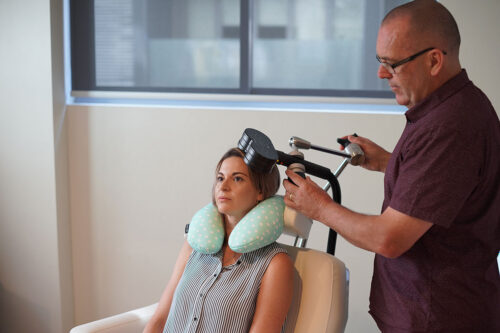
Anxiety affects many people and can significantly impact daily functioning. Transcranial magnetic stimulation (TMS) offers a non-invasive alternative that targets specific brain regions associated with anxiety, and it may provide relief when other treatments have proven ineffective. Here is more information on this therapy for alleviating anxiety symptoms:
What Is Anxiety?
Anxiety is a mental health condition characterized by persistent worry, fear, and unease. It manifests in various forms, including generalized anxiety disorder, social anxiety disorder, and panic disorder, and these conditions can interfere with work, relationships, and overall quality of life. While traditional treatments help some patients, others experience limited improvement or intolerable side effects. TMS presents a valuable option for those seeking alternative treatment methods that don’t rely on pharmaceuticals or invasive procedures.
What Are Anxiety Symptoms?
Anxiety symptoms vary depending on the specific disorder, but they commonly include excessive worry, restlessness, and difficulty concentrating. Additional symptoms include:
- Persistent nervousness or tension
- Rapid heartbeat or chest tightness
- Sweating, trembling, or muscle tension
- Difficulty sleeping or fatigue
- Gastrointestinal distress
- Avoidance of anxiety-triggering situations
These symptoms range from mild to severe, and they may interfere with daily activities. Recognizing these signs is the first step toward seeking appropriate treatment.



What Is TMS?
Transcranial magnetic stimulation is a non-invasive procedure that uses magnetic fields to stimulate nerve cells in the brain. TMS is used for many different mental health conditions, including depression, anxiety, and obsessive-compulsive disorder. Patients remain awake and alert during treatment sessions, which typically last 20 minutes, and patients can resume normal activities immediately afterward.
How Does It Work?
TMS works by delivering magnetic pulses to specific areas of the brain through a coil placed against the scalp. These pulses create small electrical currents that stimulate neurons in the targeted region. The magnetic field strength may be similar to that of an MRI machine, and the pulses are delivered in a repetitive pattern.



The treatment targets the prefrontal cortex, a brain region involved in mood regulation and anxiety response. By stimulating underactive areas or modulating overactive regions, TMS helps restore normal neural activity patterns. Sessions may be scheduled a few days a week, though treatment duration varies based on individual response and symptom severity.
How Does It Alleviate Anxiety?
TMS alleviates anxiety symptoms by directly influencing neural circuits associated with fear and worry responses. The magnetic pulses promote neuroplasticity; this is the brain’s ability to form new neural connections and strengthen existing pathways. This process can help regulate structures involved in anxiety processing.
TMS helps reduce hyperactivity in brain regions that contribute to anxious thoughts and physical symptoms. By normalizing these neural patterns, patients may experience decreased worry, improved emotional regulation, and reduced physical manifestations of anxiety. The effects can be long-lasting, and patients can maintain symptom improvement after completing treatment.
Find Relief Today
TMS represents a non-invasive option for individuals struggling with anxiety who haven’t found adequate relief through conventional treatments. The procedure targets specific brain regions to restore normal neural activity, potentially reducing both psychological and physical anxiety symptoms. Consult with a qualified mental health professional and learn more about alternative therapies.