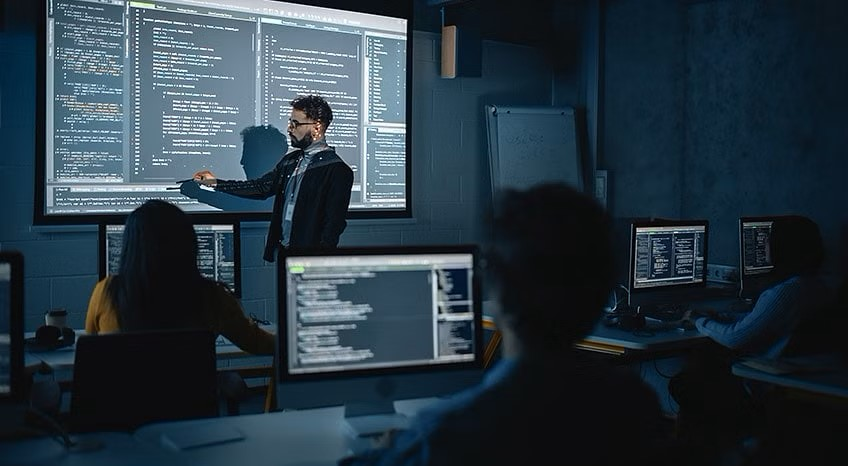
In today’s digital age, programming has become one of the most valuable skills a student can learn. Whether you dream of building your own app, designing websites, or working for a top tech company like Google or Microsoft, coding can open countless opportunities. But many students worry that learning to code requires expensive courses or software. The truth is—you can become a skilled programmer using free programming resources available online.
- Why Students Should Learn Programming
- 1. Free Online Coding Platforms
- 2. Free University Courses and MOOCs
- 3. Practice and Project-Based Learning Sites
- 4. Free YouTube Channels for Learning Programming
- 5. Free Coding Tools and Software for Students
- 6. How to Choose the Right Programming Language
- 7. Tips for Learning Programming Successfully
- Conclusion
- Frequently Asked Questions (FAQs)
This article explores some of the best free programming resources for students, from websites and online courses to communities and coding practice platforms. You’ll also learn how to choose the right language, stay motivated, and build a portfolio that showcases your skills.
Why Students Should Learn Programming
Before diving into the resources, it’s important to understand why programming is such an essential skill today.
- High Demand: The tech industry is growing fast, and coding skills are in high demand across many fields—from finance and healthcare to education and entertainment.
- Problem-Solving Skills: Learning programming teaches logical thinking, problem-solving, and creativity—all skills that are valuable beyond coding itself.
- Career Flexibility: Whether you want to work full-time, freelance, or start your own project, coding provides flexibility and independence.
- Affordable Learning: Thanks to the internet, there are thousands of free coding courses and tutorials available for students who are passionate about learning.
Now, let’s explore some of the best free programming resources available today.

1. Free Online Coding Platforms
Codecademy (Free Version)
Codecademy is one of the most beginner-friendly platforms for learning programming languages like Python, JavaScript, HTML, and CSS. The free version includes interactive exercises, quizzes, and mini-projects that help students practice coding directly in their browser.
Best For: Beginners who want to understand coding basics through hands-on lessons.
freeCodeCamp
freeCodeCamp is one of the most popular free platforms for students. It offers thousands of hours of tutorials, coding challenges, and full certification paths in web development, data analysis, and machine learning.
Students can build real-world projects like personal portfolios, landing pages, and data visualizations—all for free.
Best For: Learners who want a full, structured coding curriculum with real projects.
Khan Academy
Khan Academy offers free courses in computer programming, including JavaScript, HTML/CSS, and SQL. The lessons include animations, short videos, and interactive code editors, making it a fun way to learn coding from scratch.
Best For: Younger students or absolute beginners who prefer a visual and easy-to-follow learning style.
2. Free University Courses and MOOCs
Coursera (Free Audit Option)
Coursera partners with top universities like Stanford and Harvard to provide professional-level courses. Although some certificates require payment, students can audit the courses for free, giving them access to lectures, readings, and quizzes.
Popular Free Courses:
- Python for Everybody by the University of Michigan
- Introduction to Computer Science by Stanford University
Best For: Students who want university-level learning without paying tuition.
edX
Like Coursera, edX offers free access to computer science courses from universities worldwide. Topics range from basic coding and data structures to AI and cybersecurity.
Top Free Courses Include:
- CS50: Introduction to Computer Science by Harvard University
- Introduction to Java Programming by UC3M
Best For: Students aiming to build academic or professional coding foundations.
MIT OpenCourseWare
MIT offers many of its real university courses online for free. Their Introduction to Computer Science and Programming in Python is a classic that thousands of beginners have used to start their coding journey.
Best For: Serious learners who want deep, academic-level understanding.
3. Practice and Project-Based Learning Sites
LeetCode (Free Tier)
LeetCode is ideal for students preparing for programming interviews or wanting to strengthen their problem-solving abilities. It offers hundreds of free coding challenges in different programming languages.
Best For: Students who already know the basics and want to improve their logic and algorithm skills.
HackerRank
HackerRank offers free programming challenges in various domains—algorithms, data structures, databases, and artificial intelligence. Students can earn badges, join contests, and even get noticed by employers.
Best For: Learners who enjoy gamified and competitive coding experiences.
GitHub
GitHub is not a learning site itself, but it’s a powerful tool for hosting projects and collaborating with other programmers. By sharing your code on GitHub, you can build a portfolio that showcases your skills to future employers.
Best For: Students ready to build and share real projects.
4. Free YouTube Channels for Learning Programming
If you prefer video-based learning, YouTube is filled with free high-quality programming tutorials.
Popular Channels Include:
- freeCodeCamp.org: Full-length coding courses for free.
- Traversy Media: Great for web development tutorials.
- Programming with Mosh: Teaches languages like Python, JavaScript, and C#.
- The Net Ninja: Offers short, structured playlists for web development and frameworks.
Best For: Visual learners who want to follow along with coding demonstrations.
5. Free Coding Tools and Software for Students
- Visual Studio Code (VS Code): Free, lightweight, and one of the best code editors for beginners.
- Replit: Lets you code online in multiple languages without installing anything.
- GitHub Student Developer Pack: Offers free access to premium tools like GitHub Pro, Canva, and more.
- Glitch: Perfect for creating and sharing small web projects instantly.
These tools make it easy for students to code anytime, anywhere, even on low-end devices.
6. How to Choose the Right Programming Language
Choosing the right language depends on your goals:
| Goal | Recommended Language | Why |
|---|---|---|
| Build websites | HTML, CSS, JavaScript | Easy to learn and essential for web development |
| Build mobile apps | Kotlin, Swift, Flutter (Dart) | Used for Android and iOS development |
| Learn AI or data science | Python | Simple and has tons of libraries |
| Create games | C#, Unity, C++ | Great for 2D and 3D game design |
| Learn basics of programming | Python | Beginner-friendly and versatile |
Start with one language, practice regularly, and gradually explore more as you grow.
7. Tips for Learning Programming Successfully
- Set small, achievable goals: Start with basic syntax before moving to complex projects.
- Build real projects: Create simple apps, websites, or games to apply what you learn.
- Join communities: Platforms like Reddit, Discord, or Stack Overflow offer support and advice.
- Stay consistent: Practice coding daily—even 30 minutes a day makes a big difference.
- Keep a portfolio: Save your projects on GitHub to show progress over time.
Conclusion
Learning programming has never been easier—or more accessible. With countless free programming resources for students, anyone with a computer and internet connection can start learning today. From interactive platforms like freeCodeCamp to world-class university courses from MIT and Harvard, the opportunities are endless.
Remember, success in programming doesn’t depend on expensive tools or degrees—it comes from curiosity, practice, and persistence. Start small, stay consistent, and watch your coding skills grow into a career-changing advantage.
Frequently Asked Questions (FAQs)
1. What is the best free website to learn programming for beginners?
freeCodeCamp and Codecademy are among the best free platforms for beginners. They offer structured lessons, hands-on exercises, and certifications.
2. Can I learn programming without a computer science degree?
Yes! Many professional programmers are self-taught using free resources online. Consistent practice and real-world projects matter more than formal education.
3. Which programming language should students learn first?
Python is highly recommended for beginners because it’s simple, readable, and used in many fields such as web development, AI, and data analysis.
4. Are free courses as good as paid ones?
Absolutely. Many free courses, like Harvard’s CS50 or freeCodeCamp’s certifications, are high-quality and widely respected in the tech community.
5. How can students stay motivated while learning to code?
Set small goals, build mini-projects, join coding communities, and celebrate progress. Seeing your code come to life is one of the best motivators.