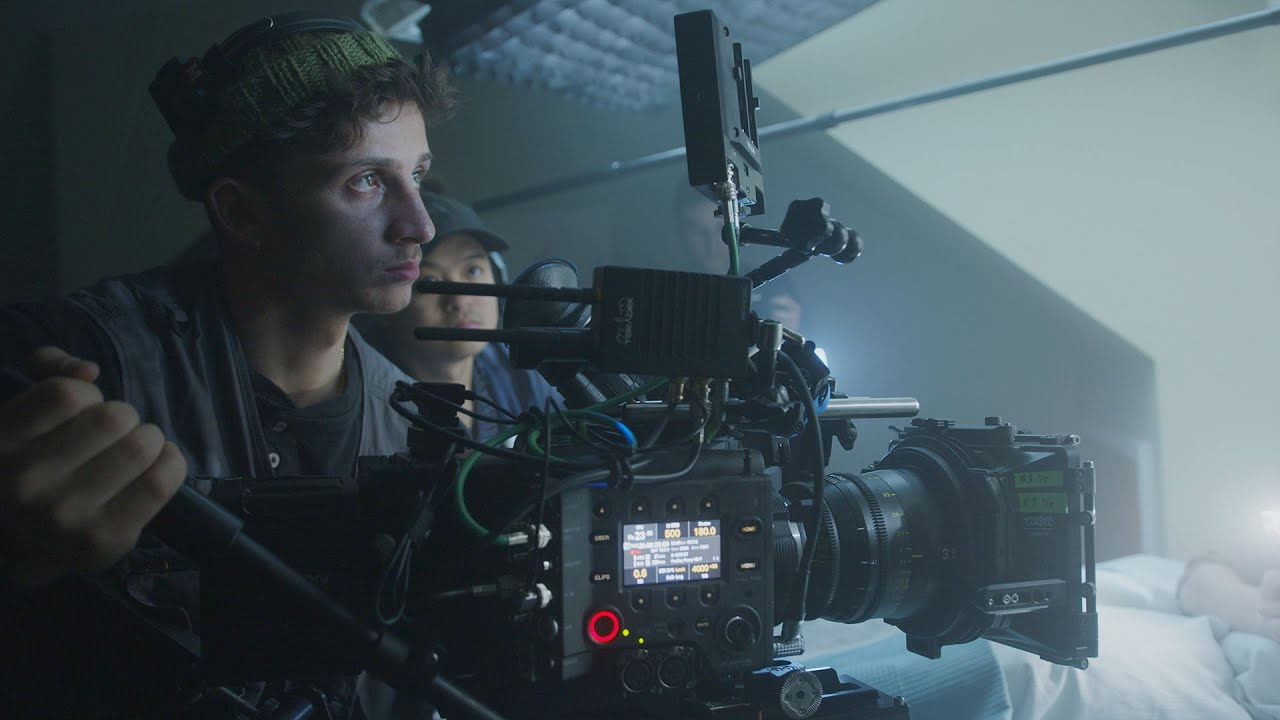
Making your own short film might sound like a big dream — something only professionals with expensive cameras and Hollywood connections can do. But in reality, anyone with passion, creativity, and determination can make a short film. Thanks to today’s technology, you can film, edit, and share your story with the world using tools you already have — even your smartphone!
- 1. Start With a Great Idea
- 2. Write a Simple but Strong Script
- 3. Plan Your Production (Pre-Production Stage)
- 4. Gather Your Equipment
- 5. Shoot Your Film
- 6. Edit Like a Pro (Even as a Beginner)
- 7. Add the Final Touches
- 8. Share Your Film with the World
- 9. Learn and Improve
- Conclusion
- Frequently Asked Questions (FAQs)
In this guide, you’ll learn step-by-step how to make your own short film, from the first spark of an idea to finally sharing your creation online or at festivals.
1. Start With a Great Idea
Every great film starts with a great idea. It doesn’t have to be complicated — sometimes the best short films are based on simple concepts told beautifully.
Think about what inspires you. It could be:
Related News

- A real-life experience.
- A “what if” scenario.
- A social message.
- A funny or emotional situation.
Ask yourself: What do I want my audience to feel when they watch this film? If you can answer that clearly, you’ve already taken the first step toward storytelling success.
Tip:
Keep it short and focused. A short film usually runs from 1 to 20 minutes, so make sure your idea fits within that timeframe.
2. Write a Simple but Strong Script
Once you’ve nailed your idea, it’s time to turn it into a script. Your script is the foundation of your short film — it guides the story, characters, and dialogue.
Here’s how to write an effective script:
- Outline your story.
Write down the beginning, middle, and end. Your story should have a clear structure — a setup, conflict, and resolution. - Create believable characters.
Even in a short film, your characters should feel real and relatable. Give them a goal, conflict, and motivation. - Keep dialogue natural.
Don’t overcomplicate. Let your characters speak like real people. - Use proper formatting.
You can use free tools like Celtx or WriterDuet to format your script correctly.
Remember — a good script doesn’t have to be long. A 5-minute film might only be 3–5 pages of script.
3. Plan Your Production (Pre-Production Stage)
Before you grab your camera, you need a plan. The pre-production phase is where you organize everything — locations, props, actors, and schedules.
Essential Steps:
- Storyboarding:
Sketch or describe each scene. This helps you visualize the shots and plan camera angles. - Casting:
Find people who fit your characters. You can ask friends, classmates, or local theater actors. - Location scouting:
Choose locations that match your story. Make sure they’re quiet, safe, and have good lighting. - Props and costumes:
Gather what you need for each scene. You don’t need a big budget — creativity can replace expensive sets. - Schedule your shoot:
Decide when and where each scene will be filmed. This helps you stay organized and save time on shoot days.
4. Gather Your Equipment
You don’t need fancy film gear to make a great short film. Here’s what you’ll need:
| Equipment | Low-Cost Option | Purpose |
|---|---|---|
| Camera | Smartphone or DSLR | To record your footage |
| Microphone | Lavalier or shotgun mic | To capture clear sound |
| Tripod | Phone tripod or stabilizer | To keep shots steady |
| Lighting | Natural light or ring light | To improve visibility |
| Editing Software | DaVinci Resolve, iMovie, or CapCut | To edit your film |
Good lighting and sound are more important than expensive cameras. If your video looks a little rough but the story and sound are clear, people will still enjoy it.
5. Shoot Your Film
Now comes the exciting part — filming!
Here are some key tips for shooting your short film:
- Keep your shots steady: Use a tripod or stable surface.
- Use natural light: Morning or late afternoon light works best.
- Shoot multiple takes: It gives you options during editing.
- Record extra footage: Capture close-ups, reactions, or scenery shots.
- Monitor sound: Background noise can ruin a scene, so check your audio before every take.
Stay patient and creative. Some of the best moments happen unexpectedly — so always keep your camera ready.
6. Edit Like a Pro (Even as a Beginner)
Editing is where your story truly comes alive. It’s where you combine all your clips, sound, and music into a complete film.
Here’s what to do:
- Import your footage into editing software.
- Arrange clips according to your script or storyboard.
- Trim and cut unnecessary parts to keep your film engaging.
- Add background music and sound effects (use royalty-free sources).
- Color correct your footage to make it visually appealing.
- Add titles or credits at the beginning and end.
Free software like DaVinci Resolve, HitFilm Express, or iMovie can help you edit professionally without cost.
7. Add the Final Touches
Before you release your film, watch it carefully — several times!
- Get feedback from friends or family. They might catch things you missed.
- Fix pacing issues. If a scene feels slow, trim it down.
- Check audio levels. Make sure dialogues are clear and balanced with music.
- Add subtitles. It makes your film accessible to more viewers.
When you’re happy with the final cut, export it in HD format (1080p) for the best quality.
8. Share Your Film with the World
You’ve made it! Now it’s time to show your work. There are several ways to share your short film:
- YouTube or Vimeo: Free platforms with a global audience.
- Film festivals: Look for online or local short film festivals.
- Social media: Share clips or trailers on Instagram, TikTok, or Facebook to attract viewers.
- Collaborations: Work with other creators to expand your reach.
Don’t be afraid to promote your film — share behind-the-scenes moments, fun bloopers, and posters to build excitement.
9. Learn and Improve
Your first short film won’t be perfect — and that’s completely fine! Every project teaches you something new.
After finishing your film, ask yourself:
- What worked well?
- What could be improved next time?
- How did people respond to the story and visuals?
Keep experimenting with different genres, techniques, and storytelling styles. The more you practice, the better your filmmaking skills become.
Conclusion
Making your own short film isn’t just about cameras and editing — it’s about telling your story in your voice. You don’t need a big budget, professional crew, or fancy gear. All you need is creativity, dedication, and a willingness to learn.
Whether it’s a comedy, drama, or silent film, the process of bringing your idea to life will teach you storytelling, problem-solving, and teamwork. So grab your camera (or even your phone), start brainstorming, and begin your journey as a filmmaker. The world is waiting to see your story!
Frequently Asked Questions (FAQs)
1. How long should a short film be?
A short film typically runs between 1 and 20 minutes. Most film festivals prefer short films under 15 minutes, as they’re easier to screen and share.
2. Do I need expensive equipment to make a short film?
No. You can make a high-quality short film using a smartphone, good lighting, and clear audio. Storytelling and creativity matter more than expensive gear.
3. What software should I use for editing my short film?
Free and easy-to-use editing programs include DaVinci Resolve, HitFilm Express, CapCut, and iMovie. These tools have professional features suitable for beginners.
4. Can I use copyrighted music in my short film?
It’s best to avoid copyrighted music unless you have permission. Instead, use royalty-free or Creative Commons music from platforms like Free Music Archive or Epidemic Sound.
5. How can I get my short film noticed?
Share it on YouTube, film festivals, and social media. Collaborate with other creators and promote your film through behind-the-scenes videos, posters, and engaging captions.