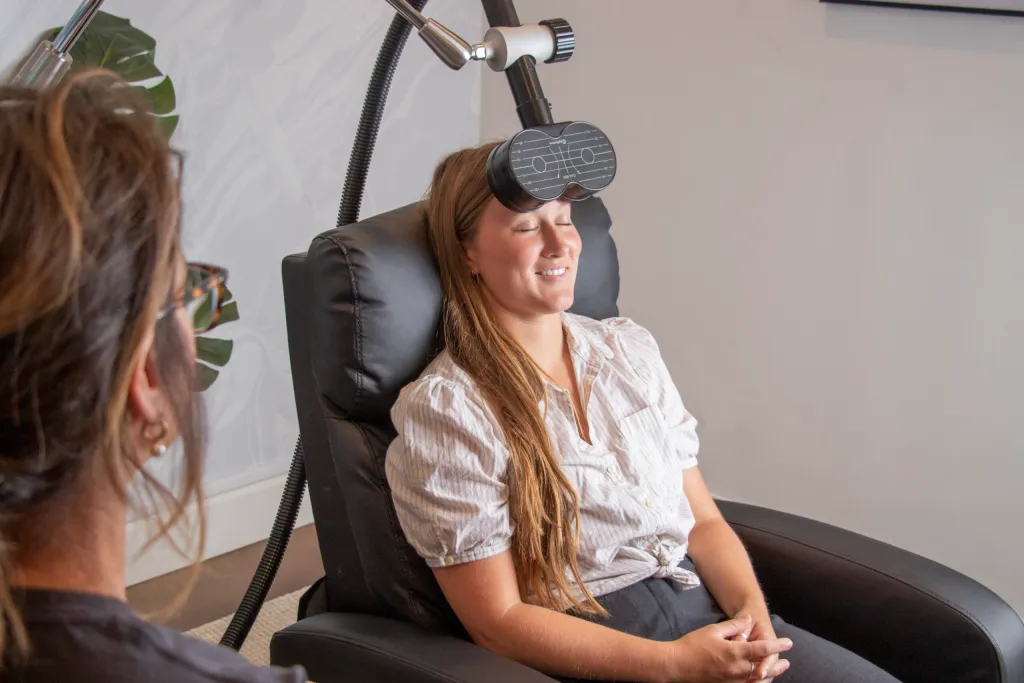
Transcranial magnetic stimulation, or TMS, is a non-invasive medical procedure, and doctors utilize it to treat severe clinical depression. Patients pursue this treatment when standard oral medications do not achieve the desired result. By delivering localized magnetic pulses to specific brain regions, the therapy stimulates dormant nerve cells. Some patients experience a reduction in depressive symptoms.
Causes of Severe Depression
Medical professionals do not fully understand the exact causes of clinical depression, but they believe it involves a complex mix of genetic and environmental factors. Because brain chemistry plays a role in mood regulation, doctors may prescribe medications before they recommend TMS. An imbalance in these neurotransmitters directly alters a patient’s mood.
Physical changes in the brain also contribute to this debilitating condition. Brain imaging shows altered activity levels in specific neural circuits, and these scans guide modern treatment. When these emotional pathways become underactive, patients experience persistent sadness and a profound loss of interest in daily activities. This lack of engagement worsens the condition over time.
Genetic predispositions make some individuals more susceptible to major depressive disorder. Family history elevates the risk of depression, but lifestyle factors also play a part. Although genes create the foundation for the illness, stressful life events trigger the actual depressive episodes. Emotional trauma alters normal brain function. Stress responses malfunction, and the nervous system remains in a heightened state of constant alert.
Definition of TMS Therapy
Transcranial magnetic stimulation is an FDA-approved medical treatment for major depressive disorder. A specialized electromagnetic coil rests against the patient’s scalp, and it generates short magnetic fields. Since the procedure does not require surgery or systemic anesthesia, patients remain fully awake during the entire session.
Benefits for Depressed Patients
The magnetic fields stimulate dormant nerve cells in the prefrontal cortex. This region controls mood regulation, and clinical depression decreases its natural electrical activity. As the magnetic pulses activate these neurons, the brain begins to release more helpful neurotransmitters. The neural networks reconnect, and the brain functions more normally again.



Multiple clinical studies demonstrate the positive outcomes of this targeted medical approach.
- Patients report higher daily energy levels.
- Therapy sessions improve overall concentration.
- The treatment carries fewer physical side effects.
- Individuals sleep much better at night.
Steps During the Procedure
During a standard treatment session, the patient sits in a comfortable medical chair. The technician places the magnetic coil against the head, and the machine delivers a series of rapid pulses. Because the machine operates loudly, the patient wears protective earplugs. They feel a light tapping sensation, and the session lasts about thirty minutes.
A typical treatment plan requires multiple clinic sessions. Patients visit the clinic five days a week, and the entire course lasts six weeks. Because the therapy is non-systemic, patients drive themselves home after each appointment. They experience no physical recovery time.
Learn More About TMS Therapy
Transcranial magnetic stimulation provides an alternative for patients with treatment-resistant depression. The magnetic pulses stimulate underactive brain regions, and this internal process restores healthy cognitive function. Because the outpatient procedure requires no anesthesia, the therapy fits perfectly into a normal daily schedule. If you want to learn more about TMS, consult a psychiatrist near you.