Your heart is one of the most hardworking organs in your body—it beats around 100,000 times a day to keep blood flowing and your body energized. Yet, heart disease remains one of the leading causes of death globally. The good news? You don’t always need expensive treatments or medications to improve your cardiovascular health. With the right lifestyle choices, you can naturally strengthen your heart, enhance blood circulation, and lower the risk of heart problems.
- 🩸 Understanding Cardiovascular Health
- 🌿 1. Eat Heart-Healthy Foods
- 🏃♂️ 2. Get Regular Physical Activity
- 🧘♀️ 3. Manage Stress Effectively
- 🚭 4. Quit Smoking and Limit Alcohol
- 💧 5. Stay Hydrated and Watch Your Weight
- 🥦 6. Add More Fiber and Plant-Based Foods
- 🧂 7. Reduce Salt and Sugar Intake
- 💤 8. Prioritize Sleep and Rest
- ❤️ 9. Monitor Blood Pressure and Cholesterol
- 🌞 10. Get Some Sunshine and Vitamin D
- 🌺 Final Thoughts
- ❓ FAQs About Improving Cardiovascular Health Naturally
In this article, we’ll explore simple, effective, and natural ways to boost your cardiovascular health, along with tips you can easily adopt in your everyday life.
🩸 Understanding Cardiovascular Health
Before we dive into solutions, it’s important to understand what cardiovascular health means.
Your cardiovascular system includes your heart and blood vessels, which work together to deliver oxygen and nutrients throughout your body. When your heart and vessels function well, blood flows easily, blood pressure remains stable, and your risk of diseases like stroke, hypertension, and heart attack stays low.
Poor cardiovascular health often results from unhealthy eating, lack of exercise, stress, and smoking—but all these can be reversed or improved with lifestyle adjustments.


🌿 1. Eat Heart-Healthy Foods
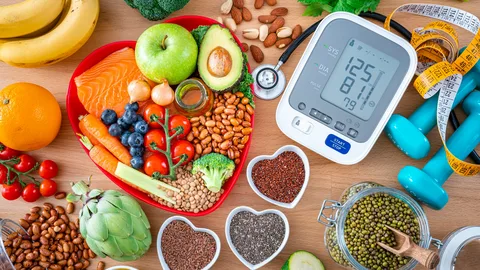
Diet is one of the most powerful tools for natural heart care. The foods you eat directly influence your cholesterol, blood pressure, and overall heart function.
Best Foods for Cardiovascular Health
| Food Type | Examples | Benefits |
|---|---|---|
| Healthy Fats | Olive oil, avocados, nuts, seeds | Lower bad cholesterol (LDL) |
| Whole Grains | Oats, brown rice, quinoa | Reduce plaque buildup |
| Leafy Greens | Spinach, kale, broccoli | High in antioxidants and nitrates |
| Fatty Fish | Salmon, sardines, tuna | Rich in omega-3 fatty acids |
| Fruits | Berries, oranges, apples | Support artery health |
Avoid processed foods, sugary drinks, and excessive salt, as they can raise blood pressure and damage arteries over time.
🏃♂️ 2. Get Regular Physical Activity
Exercise is one of the most natural and effective ways to keep your heart strong. When you move your body, your heart pumps faster, improving circulation and strengthening cardiac muscles.
Recommended Activities
- Brisk walking – 30 minutes a day can make a huge difference.
- Cycling or swimming – gentle on the joints but excellent for endurance.
- Dancing or aerobic exercise – improves blood flow and burns calories.
- Yoga – reduces stress and enhances flexibility.
Try to get 150 minutes of moderate exercise per week or 75 minutes of vigorous activity. You can break it into small daily sessions for consistency.
🧘♀️ 3. Manage Stress Effectively
Chronic stress releases hormones like cortisol and adrenaline, which can raise blood pressure and inflammation—two major risk factors for heart disease.
Natural Stress-Relieving Practices
- Practice deep breathing or meditation daily.
- Spend time in nature or with loved ones.
- Listen to calming music or read something uplifting.
- Get enough sleep (7–8 hours per night).
Even small breaks from daily stress—like a 10-minute walk or laughing with friends—can protect your heart from strain.
🚭 4. Quit Smoking and Limit Alcohol
If you smoke, quitting is the single best thing you can do for your cardiovascular health. Smoking narrows blood vessels, increases clotting, and damages the arteries. Within just weeks of quitting, your blood pressure and oxygen levels start to improve.
Alcohol, when consumed in excess, can raise your blood pressure and weaken heart muscles. If you drink, stick to moderate consumption—one drink per day for women and two for men.
💧 5. Stay Hydrated and Watch Your Weight
Your heart has to work harder when you’re dehydrated or overweight. Staying hydrated helps maintain proper blood viscosity and improves circulation. Try to drink 6–8 glasses of water daily—more if you’re active.
Also, aim for a healthy body weight, as even small weight loss (5–10%) can significantly reduce heart strain, cholesterol, and blood sugar levels.
🥦 6. Add More Fiber and Plant-Based Foods
Fiber helps reduce cholesterol and keeps your digestive system clean. Plant-based diets are linked to better heart health because they’re low in saturated fat and high in antioxidants.
High-Fiber Foods Include:
- Lentils and beans
- Oats and barley
- Apples and pears
- Chia seeds and flaxseeds
Try to fill half your plate with fruits and vegetables and include plant-based meals at least 3–4 times a week.
🧂 7. Reduce Salt and Sugar Intake
Too much salt can cause water retention, leading to high blood pressure. Similarly, high sugar intake contributes to obesity and diabetes, both of which strain the heart.
Tips to Control Intake
- Use herbs and spices instead of salt for flavor.
- Avoid processed snacks and sugary beverages.
- Check food labels for sodium and added sugars.
Keeping your sodium intake under 2,300 mg per day (about one teaspoon of salt) can dramatically improve heart function.
💤 8. Prioritize Sleep and Rest
Poor sleep quality is often overlooked but directly affects your cardiovascular health. Lack of sleep can raise blood pressure, cause hormonal imbalance, and increase stress levels.
Aim for 7–9 hours of quality sleep every night. Create a calming bedtime routine—avoid screens, dim the lights, and keep your bedroom cool and quiet.
❤️ 9. Monitor Blood Pressure and Cholesterol
Even if you feel healthy, it’s important to check your blood pressure, cholesterol, and blood sugar regularly. Early detection of high readings allows you to make lifestyle changes before serious damage occurs.
| Test | Ideal Range | Frequency |
|---|---|---|
| Blood Pressure | Below 120/80 mmHg | Every 6–12 months |
| LDL Cholesterol | Below 100 mg/dL | Every year |
| Blood Sugar | 70–100 mg/dL (fasting) | Every 6–12 months |
🌞 10. Get Some Sunshine and Vitamin D
Vitamin D plays a vital role in heart health, as it helps regulate blood pressure and inflammation. Spending 15–20 minutes in sunlight daily can help your body produce enough vitamin D naturally.
If you don’t get enough sun exposure, include vitamin D–rich foods like:
- Salmon
- Egg yolks
- Fortified dairy or plant-based milk
🌺 Final Thoughts
Improving cardiovascular health naturally is not about drastic changes—it’s about consistent, heart-friendly habits. Eating wholesome foods, staying active, sleeping well, and managing stress can transform your heart’s health over time.
Remember, small steps count. Swap fried foods for grilled ones, take the stairs instead of the elevator, and breathe deeply when you feel stressed. Every little action brings your heart closer to its healthiest rhythm.
Your heart deserves care—start today, and it will thank you for a lifetime.
❓ FAQs About Improving Cardiovascular Health Naturally
1. How long does it take to improve cardiovascular health naturally?
You may notice positive changes in as little as 3–4 weeks, especially with consistent exercise and a healthy diet. However, long-term improvements—like lower cholesterol and blood pressure—typically take 3–6 months.
2. Can I reverse heart disease naturally?
While lifestyle changes can’t always completely reverse severe heart disease, they can slow progression, reduce symptoms, and significantly improve quality of life.
3. Is walking enough to improve heart health?
Yes, brisk walking for 30 minutes a day, five times a week is one of the easiest and most effective exercises for cardiovascular fitness.
4. Which fruits are best for heart health?
Berries, apples, oranges, and avocados are great for your heart. They’re rich in antioxidants, fiber, and vitamins that help reduce inflammation and support blood flow.
5. How can I tell if my heart is healthy?
Regular check-ups are key, but signs of good heart health include normal blood pressure, steady heartbeat, good stamina, and lack of shortness of breath or chest discomfort.