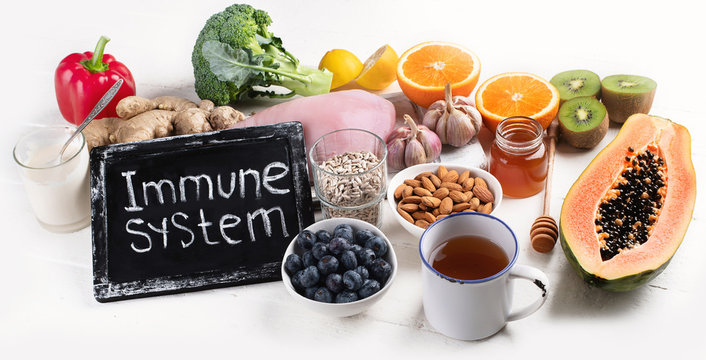
Your immune system is your body’s natural defense against infections, viruses, and diseases. Think of it as your personal army that constantly fights off unwanted invaders. But like any army, it needs care, training, and the right resources to perform at its best. Building a strong immune system is not about taking one magic pill — it’s a lifestyle built on healthy habits, balanced nutrition, regular exercise, and good mental health.
- 🌿 Understanding Your Immune System
- 🥗 1. Eat a Balanced, Nutrient-Rich Diet
- 🚰 2. Stay Hydrated
- 🏃♂️ 3. Exercise Regularly — But Don’t Overdo It
- 💤 4. Get Enough Sleep
- 🧘♀️ 5. Manage Stress Effectively
- 🚭 6. Avoid Smoking and Limit Alcohol
- ☀️ 7. Get Some Sunlight
- 🍶 8. Support Gut Health
- 💉 9. Stay Up-to-Date with Vaccinations
- 🌱 10. Add Natural Immunity Boosters
- 💚 Conclusion
- ❓ Frequently Asked Questions (FAQs)
In this article, we’ll explore simple, natural, and science-backed ways to strengthen your immune system and keep your body resilient all year round.
🌿 Understanding Your Immune System
The immune system is a complex network of cells, tissues, and organs working together to protect your body. Its main players include:
| Component | Function |
|---|---|
| White Blood Cells | Fight off infections and foreign invaders |
| Lymph Nodes | Filter harmful substances |
| Bone Marrow | Produces immune cells |
| Spleen | Helps fight bacteria and removes damaged cells |
| Thymus | Produces T-cells for immune defense |
When your immune system is strong, it quickly recognizes and neutralizes harmful invaders. But if it’s weak, you’re more likely to get sick frequently, recover slowly, or feel constantly fatigued.



🥗 1. Eat a Balanced, Nutrient-Rich Diet
Food is the foundation of immunity. A well-balanced diet provides the vitamins, minerals, and antioxidants your body needs to maintain a strong defense system.
Key Immune-Boosting Nutrients:
| Nutrient | Role | Food Sources |
|---|---|---|
| Vitamin C | Stimulates white blood cells, reduces inflammation | Citrus fruits, kiwi, bell peppers, strawberries |
| Vitamin D | Regulates immune response | Sunlight, eggs, fatty fish, fortified milk |
| Zinc | Helps produce immune cells | Nuts, seeds, beans, whole grains |
| Iron | Supports oxygen transport in the blood | Spinach, lentils, red meat |
| Antioxidants | Protect cells from damage | Berries, dark chocolate, green tea |
Try to include a rainbow of fruits and vegetables in your daily meals. The more colors you eat, the wider the range of nutrients your body receives.



🚰 2. Stay Hydrated
Water plays an essential role in flushing toxins out of the body and maintaining optimal cell function. Dehydration can make your body sluggish and weaken immune response.
Aim for 8–10 glasses of water per day. Herbal teas, coconut water, and soups are also great hydration options.
💧 Tip: Keep a reusable water bottle with you throughout the day to make hydration easy and consistent.
🏃♂️ 3. Exercise Regularly — But Don’t Overdo It
Moderate physical activity improves blood circulation, which allows immune cells to travel efficiently throughout the body. Exercise also reduces stress hormones and inflammation.

Recommended Exercises:
- Brisk walking or jogging
- Yoga or Pilates
- Cycling
- Dancing
- Light strength training
Just 30 minutes of moderate exercise most days of the week can greatly enhance immune performance. However, over-exercising without enough rest can do the opposite — weakening your immune system and causing fatigue.
💤 4. Get Enough Sleep
Sleep is the time your body recovers, repairs tissues, and builds infection-fighting molecules. A lack of sleep can reduce your immune system’s ability to fight off illnesses.
Ideal Sleep Duration by Age:
| Age Group | Hours of Sleep per Night |
|---|---|
| Adults | 7–9 hours |
| Teenagers | 8–10 hours |
| Children | 9–12 hours |
To improve sleep quality:
- Stick to a regular sleep schedule
- Avoid screens at least 1 hour before bed
- Create a calm, dark, and cool sleeping environment
- Avoid caffeine late in the day
Good sleep = stronger immunity!
🧘♀️ 5. Manage Stress Effectively
Chronic stress releases the hormone cortisol, which can suppress immune system function. If you feel constantly anxious or overworked, your body becomes more vulnerable to infections.
Simple Stress-Relief Practices:
- Meditation or deep breathing
- Spending time outdoors
- Listening to calming music
- Journaling
- Talking to friends or a therapist
A calm mind supports a healthy body. Make stress management a part of your daily routine, not just something you do when overwhelmed.
🚭 6. Avoid Smoking and Limit Alcohol
Smoking damages the lungs and reduces the effectiveness of immune cells. Similarly, excessive alcohol weakens your body’s ability to fight infections.
- Avoid tobacco completely if possible.
- Drink alcohol only in moderation, ideally no more than one drink per day for women and two for men.
Your immune system works best when your body isn’t constantly exposed to toxins.
☀️ 7. Get Some Sunlight
Sunlight triggers the production of Vitamin D, one of the most important nutrients for immunity. A short daily exposure (15–20 minutes) can help maintain healthy Vitamin D levels.
If you live in an area with limited sunlight, consider adding Vitamin D-rich foods or supplements (after consulting your doctor).
🍶 8. Support Gut Health
A large part of your immune system actually lives in your gut. A healthy gut means a stronger immune response.
To improve gut health:
- Eat probiotic foods like yogurt, kefir, kimchi, and sauerkraut
- Include prebiotic foods like bananas, garlic, onions, and oats
- Reduce processed and sugary foods
Good gut bacteria help your body absorb nutrients better and fight off harmful pathogens.
💉 9. Stay Up-to-Date with Vaccinations
Vaccines train your immune system to recognize and fight diseases effectively. Keeping your vaccinations up-to-date — such as flu shots or booster doses — adds another layer of defense to your immune system.
🌱 10. Add Natural Immunity Boosters
Some natural herbs and supplements can help strengthen immunity, especially during cold and flu season.
| Natural Booster | Benefit |
|---|---|
| Turmeric (Curcumin) | Reduces inflammation and boosts antibody production |
| Ginger | Has antibacterial and antiviral properties |
| Garlic | Enhances immune cell activity |
| Green Tea | Rich in antioxidants that fight infections |
| Elderberry | May reduce cold and flu symptoms |
Always consult a healthcare provider before taking new supplements, especially if you have health conditions or take medications.
💚 Conclusion
Building a strong immune system isn’t about quick fixes — it’s a long-term commitment to healthy living. Nourish your body with wholesome food, get enough rest, manage stress, and move regularly. When you care for your physical and mental health, your immune system naturally becomes stronger and more resilient.
Remember, consistency is the key. A few small changes today can make a huge difference in your body’s ability to fight off illness tomorrow.
❓ Frequently Asked Questions (FAQs)
1. What are the signs of a weak immune system?
Common signs include frequent colds, slow wound healing, constant fatigue, digestive issues, and recurring infections.
2. Can I boost my immune system overnight?
No — strengthening your immune system takes time and consistent healthy habits. However, getting enough rest and hydration can make a noticeable short-term difference.
3. Are vitamin supplements necessary for strong immunity?
If your diet is well-balanced, you may not need supplements. But if you have nutrient deficiencies or limited access to fresh food, supplements can help — always consult your doctor first.
4. Does exercise really improve immune function?
Yes, moderate regular exercise enhances circulation and helps immune cells move freely throughout the body, improving overall defense against illness.
5. How does stress affect immunity?
Chronic stress releases hormones like cortisol that suppress immune cell production and make you more prone to infections and inflammation.