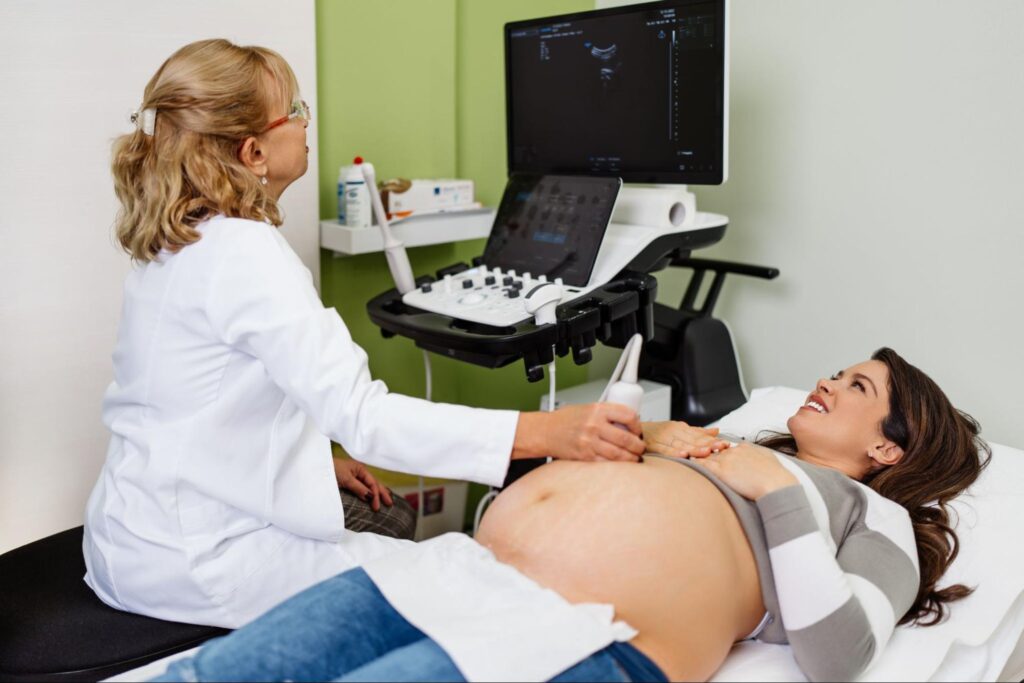
Fertility care does not end with conception; ongoing monitoring is a significant part of supporting a healthy pregnancy. Regular pregnancy ultrasounds provide clinicians with timely information about early development, fetal growth, and key markers of pregnancy health. It also allows concerns to be identified and addressed as early as possible. Here’s more information on the need for regular pregnancy ultrasounds for fertility-focused care:
Supporting Fertility-Related Monitoring
An ultrasound is a key diagnostic tool that offers visual confirmation and data about a pregnancy’s development. For individuals on fertility treatment, these scans provide specific insights to monitor reproductive health and fetal growth. Here are several ways ultrasounds support monitoring:
- Viability Confirmation: Early ultrasounds confirm the presence of a gestational sac within the uterus, which helps to verify that the pregnancy is located correctly.
- Gestational Age Assessment: An ultrasound measures the fetus from crown to rump, providing a precise gestational age calculation that guides the timeline for subsequent tests and developmental milestones.
- Monitoring Fetal Growth: Regular scans allow tracking of fetal growth patterns over time, providing information about the baby’s development.
- Placental Evaluation: The ultrasound examines the location and structure of the placenta, a key organ for fetal support.
These specific applications demonstrate how ultrasound technology is central to managing a pregnancy, especially when there is a history of fertility concerns.
Detecting Problems Early
Regularly scheduled ultrasounds serve a proactive role in prenatal care by enabling early observation of various developmental aspects. These scans provide a window into the uterine environment, enabling timely identification of conditions that may benefit from closer monitoring. Ultrasounds support maternal and fetal well-being during pregnancy by providing detailed images of the fetus and surrounding structures.



Tracking Key Milestones
The prenatal phase is marked by several key ultrasound examinations, each timed to assess specific developmental benchmarks. Here are the common ultrasound milestones in pregnancy:
- First Trimester Scan: Often performed early, this scan confirms the fetal heartbeat, determines the number of fetuses, and establishes a more accurate gestational age.
- Nuchal Translucency (NT) Scan: The NT scan is part of a screening process for certain chromosomal conditions, providing early information that may guide further diagnostic choices.
- Second Trimester Anatomy Scan: This comprehensive examination of the fetus’s anatomy assesses all major organs, checks the amount of amniotic fluid, and evaluates placental location and fetal growth.
- Third Trimester Growth Scan: A third-trimester scan may be recommended to monitor fetal growth, fluid levels, and the baby’s position.
Each of these scans builds upon the information gathered previously, creating a comprehensive picture of the pregnancy’s health and development.


Getting Value From Your Ultrasounds
To get the most out of your scheduled ultrasounds, preparation and communication are helpful. Arrive at your appointments with a full bladder, if instructed, as this can improve image quality in early pregnancy. It is also beneficial to deliberate on and prepare questions you may have for your provider beforehand. Inquiring about what the sonographer is looking at can help you understand the process and your baby’s development. Following these appointments, make sure to review the findings with your healthcare provider to understand the results and the next steps in your prenatal and fertility care plan.
Schedule Your Fertility Appointment Today.
Regular ultrasounds are a fundamental part of modern prenatal care, offering key insights into the health and development of a pregnancy. These scans provide valuable information for expectant parents, especially for those who have been on a fertility journey and their healthcare providers. For professional guidance on parenthood, contact a qualified fertility specialist near you to schedule your appointment today.