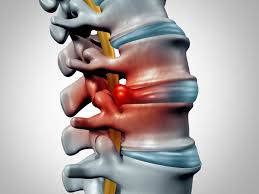
Disc surgery is a procedure intended to address pain and mobility issues, which stem from spinal disc problems. When non-surgical treatments do not provide sufficient relief for degenerative disc disease, surgery presents another option. The objective of the surgery is to remove the source of the pain and restore stability to the spine. Here is more information about this procedure:
Removes Damaged Disc
The initial step in many disc surgeries involves removing the damaged spinal disc. Surgeons access the spine to excise the disc material that is compressing nerves or causing instability. This process may relieve pressure on the spinal cord and surrounding nerve roots, which is a primary source of pain for many individuals.
Replaces With an Artificial Disc
After the surgeon removes the damaged disc, the space needs to be filled to maintain the spinal structure. An artificial disc device is typically inserted into the void, and this implant is designed to mimic the function of a natural disc. This replacement provides support between the vertebrae, restoring the original height of the disc space.
This procedure not only helps alleviate pain but also improves mobility and overall spinal stability. The artificial disc can be securely positioned between the vertebrae. While each patient’s recovery may vary, most individuals experience significant relief and a notable improvement in their quality of life following the surgery.



Provides Minimal Invasiveness
Surgical techniques have advanced to enable less invasive procedures. Smaller incisions reduce damage to surrounding muscles and tissues, which typically leads to a shorter recovery period. These approaches allow surgeons to access the spine with precision, and they also minimize the overall physical impact of the operation.
Minimally invasive disc surgery uses specialized instruments and imaging technology. A surgeon can watch a monitor to guide the tools through small ports to the targeted area of the spine. This method, which offers a high degree of accuracy during the procedure, is highly effective.

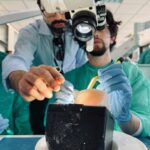

The techniques are not suitable for all cases of degenerative disc disease, but they offer benefits for eligible patients. Your surgeon can determine the appropriate surgical approach based on your specific medical condition and anatomy. This evaluation looks at multiple factors in order to determine the appropriate procedure based on an individual’s specific circumstances.
Preserves Movement
Artificial disc replacement aims to preserve motion in the treated spinal segment. The implant is engineered to allow for continued flexibility, so the spine may bend and twist. Maintaining this movement helps evenly distribute stress across adjacent spinal levels, preventing strain. This may reduce the risk of adjacent segment degeneration, a typical concern with traditional spinal fusion procedures.
Schedule Disc Surgery Today
Understanding the details of disc surgery is a step in evaluating your treatment options for degenerative disc disease. The procedure involves specific steps, from removing the damaged disc to potentially preserving spinal motion with an artificial replacement. If you are exploring solutions for your condition, gathering information is a logical next action. Contact a neurosurgeon to schedule a consultation and discuss if disc surgery is an appropriate path for your situation.