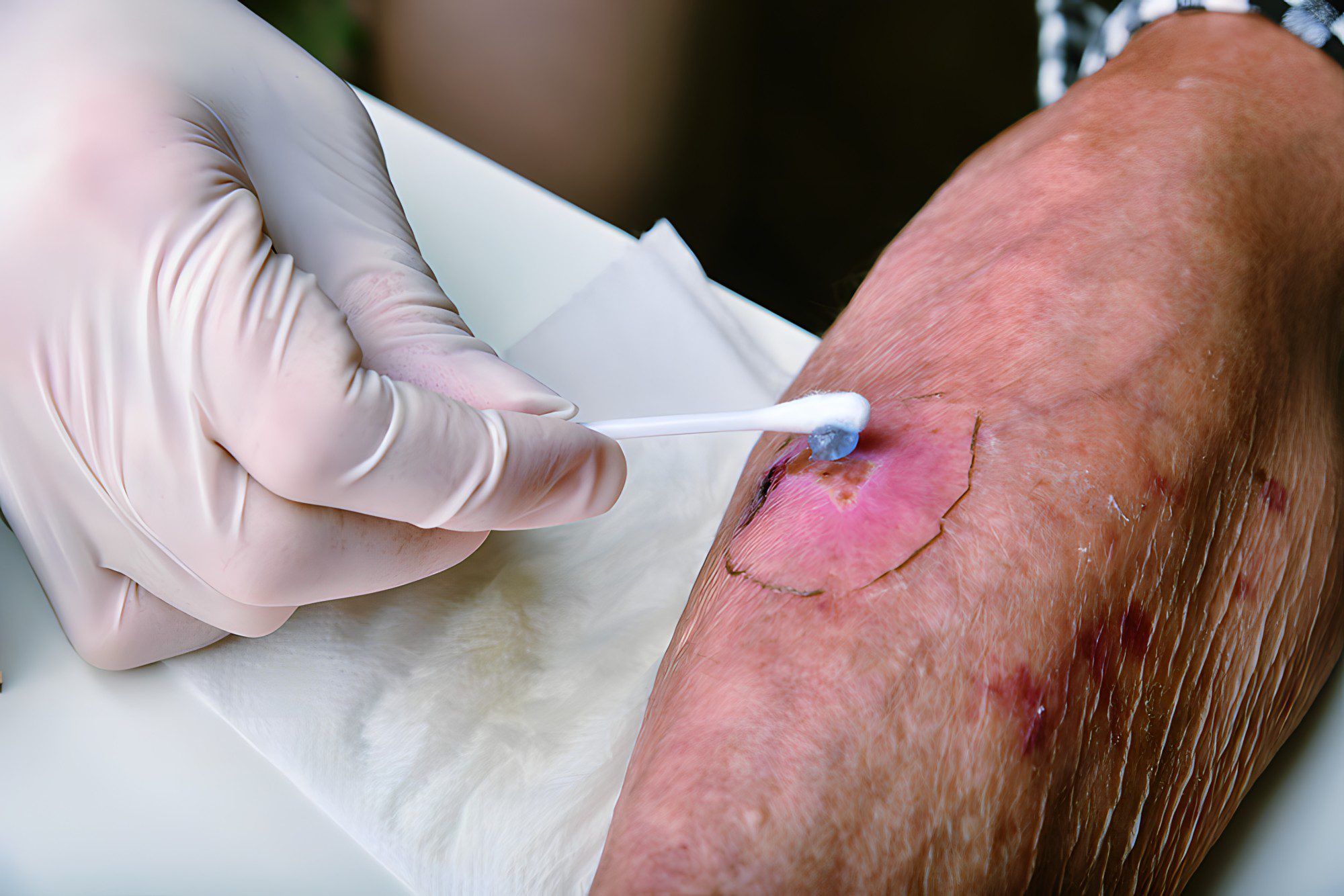
Managing diabetes involves paying attention to how the condition affects the whole body, including the healing process. Even a minor cut or blister, especially on the feet, may develop into a larger problem when diabetes is present. Diabetic wound care addresses the challenges of wounds that heal slowly and sometimes do not close without specialized treatment. Here are some advanced treatments for diabetic wound care:
Vascular Interventions
Blood flow delivers vital oxygen and nutrients, which are necessary for tissue repair and wound closure. Diabetes sometimes leads to damaged blood vessels and reduced circulation, particularly affecting the legs, ankles, and feet. Poor blood flow causes wounds to take longer to heal and makes them more prone to infection.
Vascular interventions use medical technology to improve circulation in these areas. Angioplasty is one option; a small balloon is inserted and inflated to open up blocked or narrowed arteries, restoring blood passage. This minimally invasive procedure is often performed using imaging guidance. In some cases, a stent is placed in the artery after angioplasty to help keep it open. This supports a steadier supply of blood to the wound site.
For severe blockages, bypass surgery may be recommended. This procedure creates a detour for blood to flow around the blocked artery, using a graft made from another blood vessel in the body or sometimes a synthetic material. Vascular intervention requires an assessment by a medical team and is adapted based on the location and severity of the blockages.
Healing Therapies
Once circulation is addressed, advanced healing therapies focus on creating the right environment for wound recovery. Hyperbaric oxygen therapy (HBOT) is one type of treatment. During HBOT, the patient breathes pure oxygen in a pressurized chamber, allowing a higher-than-usual dose of oxygen to enter the bloodstream. This may help limit the growth of certain bacteria, support immune cell function, and encourage blood vessels to form in the affected area.
Negative pressure wound therapy (NPWT) is a method that uses special dressings and a gentle vacuum pump over the wound. This therapy draws out excess fluid to decrease swelling and bring the wound edges closer together. It also helps maintain a moist environment beneath the dressing, which supports cell growth.



Wound Dressings
Dressing selection is a key part of diabetic wound care. The goal is to create a stable environment where the wound is protected and healing can progress. Some dressing types include:
- Hydrogel dressings: These deliver moisture to dry wounds, which aids in softening and removing dead tissue.
- Foam dressings: These are chosen for wounds with high drainage; they absorb liquid while cushioning the skin.
- Alginate dressings: Alginate dressings are used for large wounds and help manage larger amounts of fluid and form a moist gel over the wound. This promotes healing by keeping the tissue hydrated and less prone to breakdown.
Selecting the ideal dressing depends on the wound’s moisture level, depth, shape, and whether there are signs of infection. Dressings are regularly changed by a healthcare professional trained in wound management. This allows them to track progress and make timely adjustments.
Get Diabetic Wound Care
Learning about advanced treatment options for managing diabetic wounds helps inform the next stage of care. Each therapy, from innovative vascular procedures to the latest in wound dressings, serves a specific purpose and is effective when part of an overall care plan. While wounds related to diabetes can present challenges, medical support provides tools and guidance to navigate healing successfully. If you have a wound that is slow to heal, contact a medical professional today about diabetic wound care solutions.