A fertility clinic is a specialized medical facility focused on supporting individuals and couples who want to grow their families. They offer a range of diagnostic tools, treatments, and ongoing care for reproductive health challenges. One advanced procedure available at many centers is Preimplantation Genetic Testing (PGT), which provides additional information about embryos before implantation. Here is more information about the role of fertility clinics in PGT:
Embryo Biopsy and Cryopreservation
The PGT process starts with in vitro fertilization (IVF), where eggs and sperm are combined in a laboratory to create embryos. These embryos grow for several days, typically until they reach the blastocyst stage. They now contain enough cells to allow a small biopsy to be performed. An embryologist removes a few cells from the part of the embryo that will form the placenta, leaving the inner cell mass, which becomes the fetus, untouched.
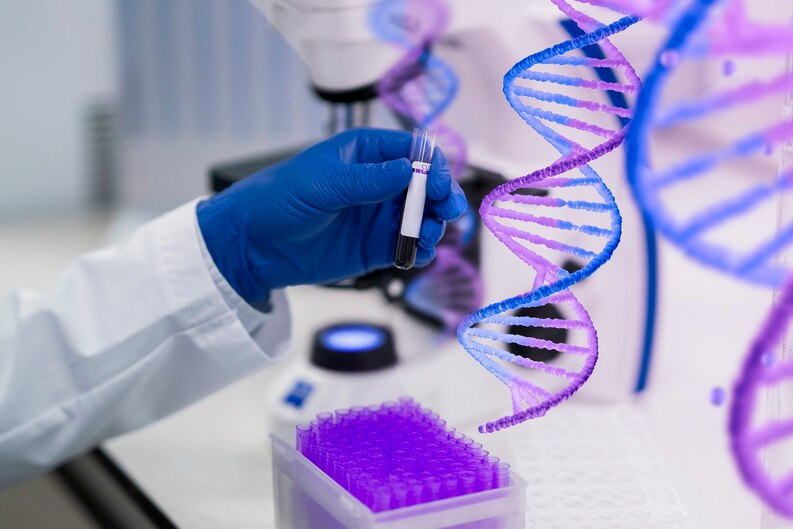
The biopsied cells are then transported to a genetics laboratory, where staff analyze chromosomes or specific genes. At the clinic, the remaining embryos are vitrified. This process involves rapidly freezing them to preserve their viability and prevent ice crystal formation that could cause damage. Vitrification allows embryos to remain in storage for as long as needed, providing flexibility for planning future treatment steps.
Test Interpretation and Embryo Selection
When testing on the biopsied cells is complete, the results are sent to the fertility clinic. These reports provide detailed information, such as whether an embryo has the expected number of chromosomes or if it carries certain inherited genetic conditions. Tests often reveal:
- Conditions like Down syndrome (Trisomy 21), caused by an extra or missing chromosome
- Inherited conditions such as cystic fibrosis or sickle cell anemia
- Conditions where chromosome pieces are missing, extra, or in the wrong place, such as Cri-du-chat syndrome
- Conditions affecting sex chromosomes, including Turner syndrome or Klinefelter syndrome
- Conditions that impact how cells produce energy, such as Leigh syndrome
Results are reviewed by your clinical team, which includes a reproductive endocrinologist, an embryologist, and a genetic counselor. During the consultation, your doctor discusses these findings with you, and the team addresses any questions and concerns you may have about the report. The decision about which embryo to transfer remains yours.
Embryo Transfer
When you are ready to proceed, the clinic schedules the embryo transfer, a key procedure in the IVF process. The selected embryo is thawed in the laboratory, and its condition is evaluated. If viable, the laboratory staff prepares the embryo for transfer, and the patient is escorted to a quiet treatment room. A physician uses an ultrasound to guide the placement and a thin, flexible catheter to transfer the embryo directly into the uterus. This procedure usually takes only a few minutes. Anesthesia is rarely required, allowing the patient to resume normal daily activities shortly after the procedure. Clinic staff are present throughout to support you during this step.



Visit a Fertility Clinic
Throughout each stage of the PGT process, staff at fertility clinics coordinate detailed steps and provide clear communication. Their work encompasses laboratory procedures, logistical planning, and presenting results in a manner that is both accessible and supportive. If you are seeking clarity about your own options or want more information about preimplantation genetic testing, speaking with a specialist may help you feel more prepared. Schedule a consultation with a fertility specialist at a reputable clinic today.