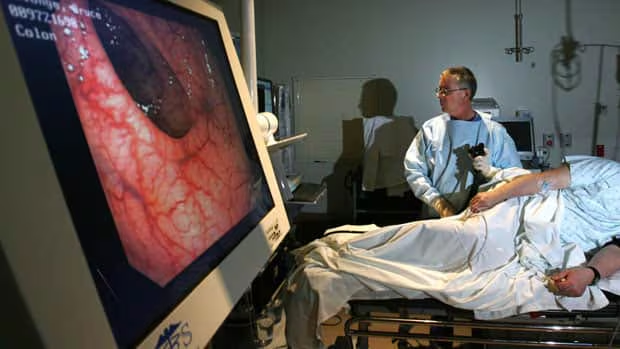
A colonoscopy is a diagnostic procedure that allows a doctor to examine the inner lining of the large intestine. This exam uses a colonoscope, or a long, flexible tube equipped with a tiny camera, to view the entire colon. Doctors in this field are gastroenterologists, and they identify abnormalities during colonoscopies that may not be visible through other testing. Here’s information on colonoscopy procedures and what you can expect from one:
What Is a Colonoscopy For?
Doctors primarily use this procedure to screen for colon cancer and to investigate the causes of various gastrointestinal symptoms. Colonoscopies are fundamental tools for preventive health because they allow specialists to detect problems early, when they are most treatable. Medical guidelines recommend that adults begin regular screening colonoscopies at age 45, but your provider may encourage you to get one sooner.
When Is a Colonoscopy Recommended?
You may need a colonoscopy earlier than age 45 due to certain health factors, especially if you have a family history of colon cancer. They are commonly used as diagnostic tools, as they detect visual abnormalities and can obtain tissue samples for diagnosis. A specialist will also order this exam to investigate unexplained symptoms such as rectal bleeding, chronic diarrhea, or sudden weight loss. You may benefit from seeing a gastroenterologist if you experience persistent abdominal pain or changes in bowel habits.
How Does a Specialist Manage Colon Conditions?
During the exam, the gastroenterologist does more than just look; they can often treat certain conditions immediately. If the doctor discovers polyps, which are small clumps of cells that form on the lining of the colon, they can remove them during the procedure. Removing these polyps significantly reduces the risk that they will develop into cancer later. The specialist can also take tissue samples called biopsies for further laboratory analysis if they encounter suspicious areas.
How Do You Prepare?
Preparation is a key part of your treatment process because your colon must be completely empty for the doctor to have a clear view. Your doctor will provide specific instructions, but the preparation process typically begins a day or two before the exam. You will likely follow a clear liquid diet, consuming broth, water, and clear juices while avoiding red or purple dyes. The evening before the procedure, you will take a strong laxative solution prescribed by your doctor. This bowel preparation clears your digestive tract of all solid waste, but completing it fully makes sure your exam does not need to be repeated.
What Is the Procedure Like?
Many people worry about discomfort, but colonoscopy procedures are generally painless because of sedation. Here are some key steps to expect:



- You will lie on your side on an exam table, and a nurse or anesthesiologist will administer medication to help you relax or sleep through the exam.
- Once you are sedated, the doctor inserts the colonoscope into the rectum and gently guides it through the colon.
- The scope inflates the colon slightly with air or carbon dioxide to give the doctor a better view.
- The procedure will last for around 30 to 60 minutes.
Because of the sedation, most people have no memory of the procedure itself and wake up once it is finished.
What Is Recovery Like?
After the exam, you will spend about an hour in a recovery area while the sedative wears off. You may feel some bloating or gas cramps because of the air introduced into the colon during the exam, but this usually resolves quickly. Before you leave the facility, your doctor may discuss the initial findings with you, though biopsy results take longer.
If polyps were removed or biopsies taken, your doctor will schedule a follow-up appointment or call to discuss pathology results. This conversation will determine when you need your next screening. Because of the sedation, you cannot drive yourself home, so you must arrange for a ride. You should plan to rest for the remainder of the day until the medication has fully left your system.
Learn More About Colonoscopy Procedures
Your digestive health is a key component of your overall well-being. If you are approaching screening age, schedule a consultation to discuss whether this procedure is right for you. A gastroenterologist provides personalized guidance, and they can determine what treatments suit your needs.