Sexually transmitted disease (STD) screenings are a key part of maintaining your reproductive and general health, as these tests detect infections that are passed during sexual contact. STD screenings can identify infections before you notice any symptoms because many STDs do not show signs early on. Getting tested allows for early detection and helps prevent the spread of infections to others, helping you stay proactive about your health. Here’s more information on STD screenings:
What Are the Testing Methods?
STD testing is not a single comprehensive test but rather a collection of screenings tailored to specific infections. Medical providers determine appropriate tests based on sexual history, risk factors, and current symptoms. The primary benefit of STD screening is early detection, as identifying them early can lead to timely intervention. Early detection of disease helps reduce the chance of long-term health complications.
Many sexually transmitted diseases are curable, and all are treatable. STD screenings are also a responsible step for protecting your sexual partners; knowing your status prevents the unknowing transmission of infections. Regular testing normalizes conversations about sexual health and enables you to make informed decisions. Several methods are used for STD screenings, depending on the specific infection being tested for.
A healthcare provider will determine the appropriate tests for you based on your sexual history and any symptoms you may have. Some common testing methods include:
- Urine Samples: Can detect infections like chlamydia and gonorrhea.
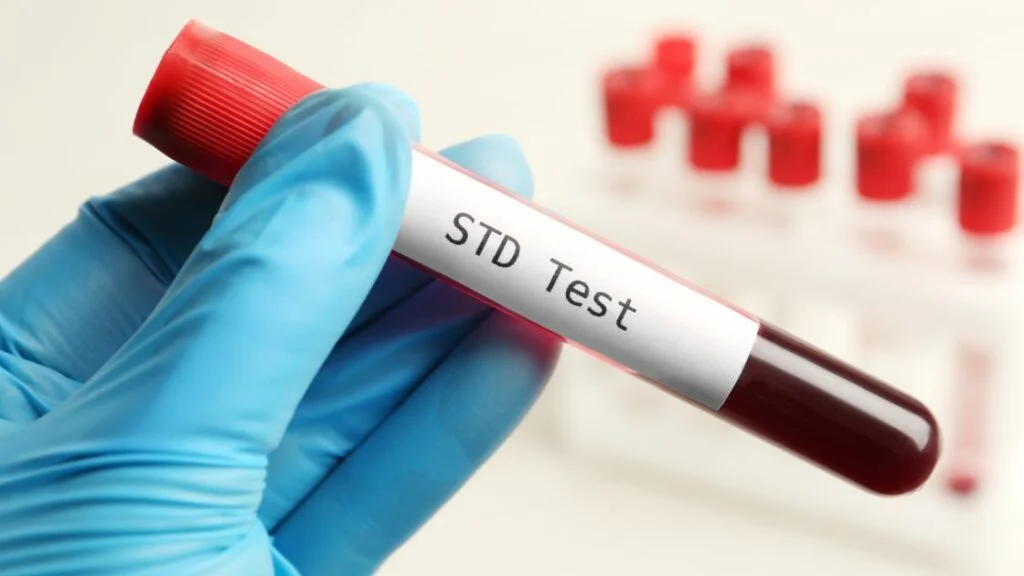
- Blood Tests: Are taken either from a finger prick or a draw from your arm, and are used to screen for HIV, syphilis, and hepatitis.
- Physical Exams With Swabs: May be conducted to check for visible signs like warts or sores, and swabs may be taken from any sores, the genitals, or the throat to collect cell samples for analysis.
How Can STDs Impact Your Health?
Without timely detection and proper care, STDs can lead to various health issues. Some infections may cause problems with fertility for men and women, and untreated conditions like chlamydia or gonorrhea lead to pelvic inflammatory disease (PID) for many women. PID can impact fertility by damaging reproductive organs.
Certain strains of human papillomavirus (HPV) are linked to an increased risk of developing certain types of cancer, including cervical cancer. Untreated syphilis can progress through stages, eventually affecting organs like the heart and brain, so getting tested is a proactive measure for your health. An infection like HIV weakens the immune system and makes the body more susceptible to other illnesses.



What Are the Signs of STDs?
It’s invaluable to pay attention to your body and seek a timely screening if you notice anything unusual. Many STDs are asymptomatic, or have no symptoms, but there are several signs that might indicate you have an infection. Some common symptoms for men and women may include:
- Unusual Genital Discharge
- Burning or Pain During Urination
- Sores, Bumps, or Blisters (On Genitals or Mouth)
Some individuals may experience itching or irritation in the genital area. Other potential signs include pelvic pain, bleeding between periods for women, and testicular pain for men. Because these symptoms can be mild or mistaken for other conditions, a professional screening is the only way to be certain of your status.
Learn More About STD Screenings
Staying informed about STD screenings is fundamental to your healthcare routine. If you’re sexually active, having open conversations with your healthcare provider helps you create a screening schedule for your needs. To learn more, schedule a consultation, as a specialist can determine what is best for your reproductive health.