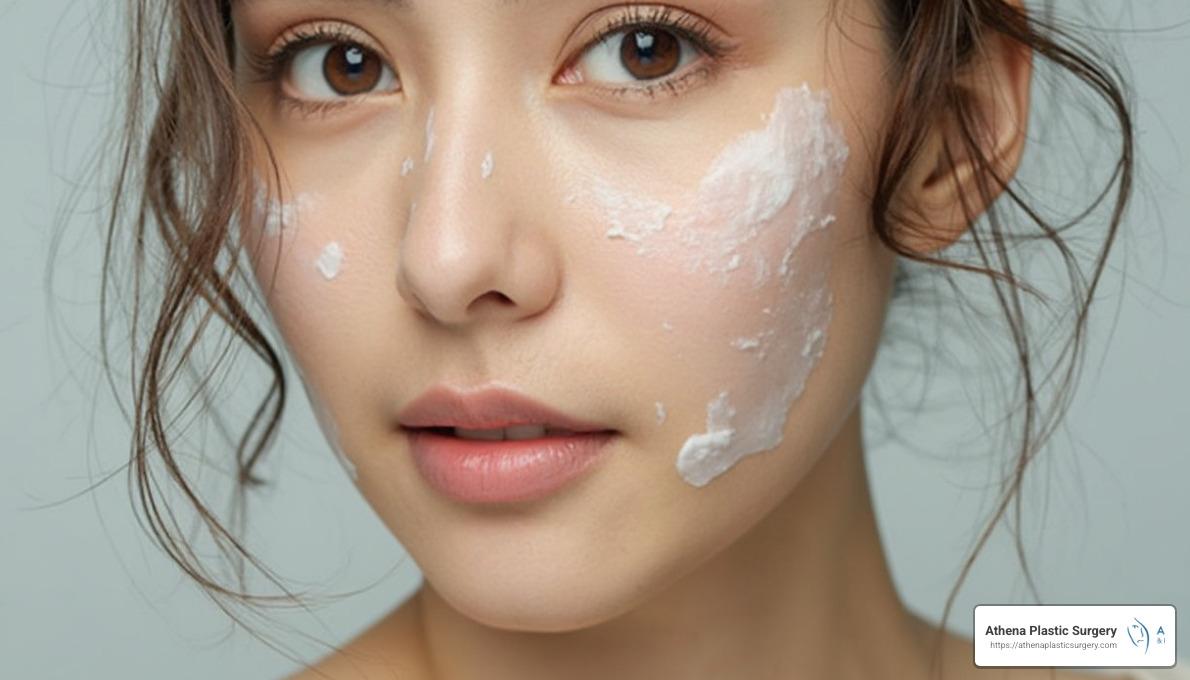
Chemical peels are cosmetic procedures that involve applying a specialized chemical solution to the skin. This solution causes the top layers of skin to exfoliate and eventually peel off, revealing new skin underneath that often appears smoother and more refined. Choosing the right peel depends on several factors, including your specific skin type, the particular concerns you wish to address, and the amount of recovery time you can afford. Understand that not all peels work the same way for every individual, and consulting with a professional helps confirm safety and effectiveness for your unique skin profile.
Types of Chemical Peels
Chemical peels are typically categorized by how deeply they penetrate the skin; this classification helps determine their intensity and the specific skin concerns they are best suited to address. Lighter peels may affect only the outermost layer of skin, targeting minor issues like dullness, while deeper peels penetrate further to address more significant concerns.
Superficial peels are the mildest form of chemical peels. They use mild acids to gently exfoliate. This type only penetrates the outermost layer of skin. It is often used to improve the appearance of mild skin discoloration and rough skin. A medium peel uses a stronger acid to reach the middle and outer layers of skin. This makes it more effective for removing damaged skin cells. It is commonly used to treat age spots, fine lines, and freckles, and you might experience some redness and stinging during this procedure.
Deep peels penetrate fully into the middle layer of the skin to remove damaged skin cells. These peels often use a more intense acid, and they usually require a longer recovery time. Patients typically undergo this procedure only once due to its strength.
Benefits of Chemical Peels
People often choose chemical peels as a solution for a range of cosmetic concerns, primarily those related to uneven skin texture and tone. These treatments work by gently exfoliating the skin to reveal a smoother, more uniform surface. The effectiveness can vary from person to person, but the general goal is to enhance the skin’s overall appearance, helping individuals feel more confident in their complexion.
Common benefits associated with chemical peels include:



- Reduction in the visibility of fine lines under the eyes and around the mouth
- Improvement in the appearance of mild scars
- Treatment of certain types of acne
- Reduction of age spots, freckles, and dark patches (melasma) due to pregnancy or taking birth control pills
- Improvement in the look and feel of the skin
Preparation and Aftercare of Chemical Peels
Proper preparation helps the procedure go smoothly; before your appointment, your specialist may ask you to stop taking certain medications or using specific skincare products, such as retinoids. You might also need to prepare your skin by using specific lotions or creams weeks in advance. After the procedure, your skin will be temporarily more sensitive to the sun. It is recommended to wear sunscreen every day. You should use a broad-spectrum sunscreen. Limit your time in the sun, and keep the treated area cool. You may need to use ice packs to manage any discomfort or swelling. Do not pick at, rub, or scratch your skin while it heals, as this can lead to scarring or infection. Strictly follow the specific washing and moisturizing instructions provided by your skincare professional.
Ask a Specialist Today
Determining the right chemical peel requires professional insight into your skin’s condition. A dermatologist or licensed aesthetician can evaluate your skin type, and they can discuss your goals with you. They will explain the specific risks and benefits associated with each peel type. Contact a local clinic to schedule a consultation and learn which option is appropriate for you.