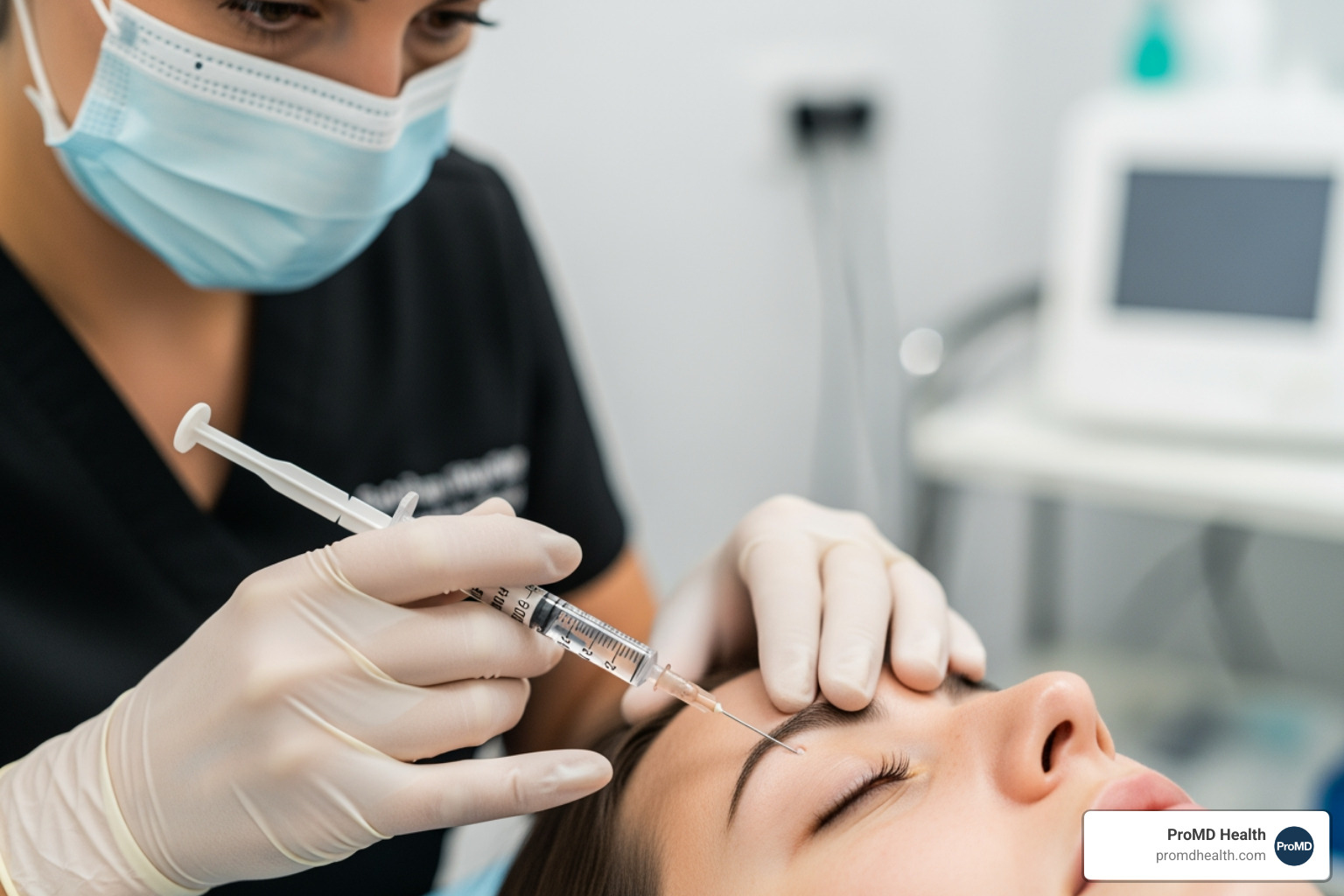
Because sports demand intense physical exertion, athletes frequently encounter difficult and painful musculoskeletal injuries. Platelet-rich plasma (PRP) therapy utilizes a patient’s own concentrated blood cells for targeted treatment. A specialist draws the blood, and a centrifuge spins it to isolate the platelets. Here is more information on the link between PRP treatments and athletic performance:
Reduces Inflammation
Anti-inflammatory medications have side effects, but PRP offers a biological alternative for management. Chronic inflammation can hinder a person’s ability to perform at a high level. Since inflammation causes pain, reducing it helps restore normal movement patterns for the athlete. The concentration of platelets is high, and this influences the localized inflammatory response.
While swelling is a natural response, excessive inflammation delays the return to competitive sport. Patients may find changes in their comfort levels weeks after the initial injection. The therapy modulates the environment, and it helps the body transition to remodeling. Managing this response helps the tissues heal without the formation of excessive scar tissue.
Accelerates Recovery
Injuries disrupt rigid training schedules, and people seek efficient methods for a quick recovery. Since blood flow is low in tendons, the natural healing process often moves slowly. Connective tissues typically require extended periods for complete structural repair and stabilization. PRP targets the specific injury site, and it delivers concentrated platelets directly to the tissue.



The injection initiates a biological response within the damaged tissue almost immediately. The procedure is minimally invasive, yet it addresses the root cause of the injury. While the body heals naturally, this process concentrates the biological effort on one area. Many athletes utilize this therapy for persistent ligament or tendon issues in their joints.
When the tissue absorbs the plasma, specific cellular repair mechanisms activate within the body. Medical professionals monitor the progress of the injury closely throughout the treatment plan. Recovery times differ for everyone, but the biological goal remains consistent for every patient. Because the solution comes from your blood, the risk of rejection stays very low.



Releases Growth Factors
These proteins function as biological growth factors that aid in cell regeneration. Because the concentration is high, the signaling effect typically becomes much stronger than in normal blood. Platelets release specific proteins, and these signals tell the body to repair damaged tissues. The treatment relies heavily on the following internal biological components found in your blood:
- Platelet-derived growth factor
- Transforming growth factor beta
- Vascular endothelial growth factor
- Epidermal growth factor
- Fibroblast growth factor
Enhances Performance
A fully healed muscle allows for maximum force output during training and competition. Pain restricts movement ranges, so resolving pain supports better mechanics during physical activity. Although experts debate direct performance enhancement, healthy tissue functions better than injured tissue. The goal is restoration of health, which naturally leads to improved athletic capability.
Schedule PRP Treatment Today
Contact a medical office today, and a team can schedule your initial consultation appointment. If you experience chronic pain, this therapy might offer a solution for your recovery. Consult a qualified medical provider to discuss your specific injury and treatment history.