Dermal fillers are injectable substances designed to enhance facial contours and address specific cosmetic goals. Before pursuing this type of cosmetic procedure, scheduling a professional consultation is a fundamental step. This initial meeting outlines the process, investigates individual suitability, and creates a framework for personalized patient care. Here’s what a consultation involves and how it can help you understand your options to make informed decisions:
Conducting a Comprehensive Patient Assessment
A thorough consultation begins with an in-depth assessment of your medical history; the provider evaluates all relevant factors, such as pre-existing health conditions, allergies, and medications. They may also ask about any previous surgeries in the desired treatment area. This information is key to identifying circumstances that have the potential to impact the safety or suitability of dermal fillers.
The professional examines your facial features and skin quality, identifying specific areas of concern and opportunities for enhancement. By developing an understanding of your unique facial anatomy, the provider can tailor their recommendations to your goals. This groundwork is helpful for promoting realistic expectations, and it makes sure the proposed plan aligns with individual needs, such as reducing wrinkles.
Educating and Establishing Realistic Expectations
During the initial consultation, the provider educates the patient about the dermal filler process. They introduce the different types of fillers, describe their properties, and explain how each option works to create desired effects. Detailed descriptions of the procedure and what to anticipate during recovery are shared to clarify the process. Providers can also share expected timelines; this includes how long treatments take and how long results last.


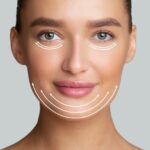
Managing expectations is equally helpful. The provider addresses what dermal fillers may achieve in your particular case, and they outline any variables that affect the outcome. Open conversations about possibilities and limitations enable you to contemplate your choices with increased understanding and comfort.
Topics covered during a consultation may include:



- Whether the filler is made wth hyaluronic acid or calcium hydroxylapatite
- Procedure steps and practical logistics
- Guidance on what to expect following the treatment
- Discussion of specific goals and feasible outcomes
Designing a Customized Treatment Plan
After assessment and education are complete, the provider constructs a comprehensive, individualized treatment strategy. This plan specifies details such as the optimal filler product, target injection sites, and volume required to accomplish your goals. A focus on personalized care helps achieve natural-looking, balanced results.
Discussing Aftercare Expectations and Follow-Up
Discuss proper aftercare procedures with the provider during the consultation; this includes outlining steps to safeguard the treated areas, reduce discomfort, and promote optimal results. These instructions may address recommended activities and skincare routines to follow after the treatment. Clear aftercare guidance supports a smooth transition from procedure to daily activities, and it helps you detect any signs of complications.
Dermal fillers are temporary and last anywhere from six to 24 months, so follow-up appointments are also discussed during the consultation. The provider outlines a schedule for ongoing assessments to monitor progress and answer any questions. This structured approach allows for adjustments to improve results as needed.
Enhance Contours With Dermal Fillers
Consulting with a qualified professional before dermal filler treatment is a key measure for promoting safe, personalized, and informed care. From detailed assessment to aftercare planning, each stage in the process supports a positive patient experience. The fillers can help smooth skin, enhance contours, and plump the lips. If you’re contemplating dermal fillers, schedule a consultation with an aesthetic specialist to discuss your aesthetic goals.