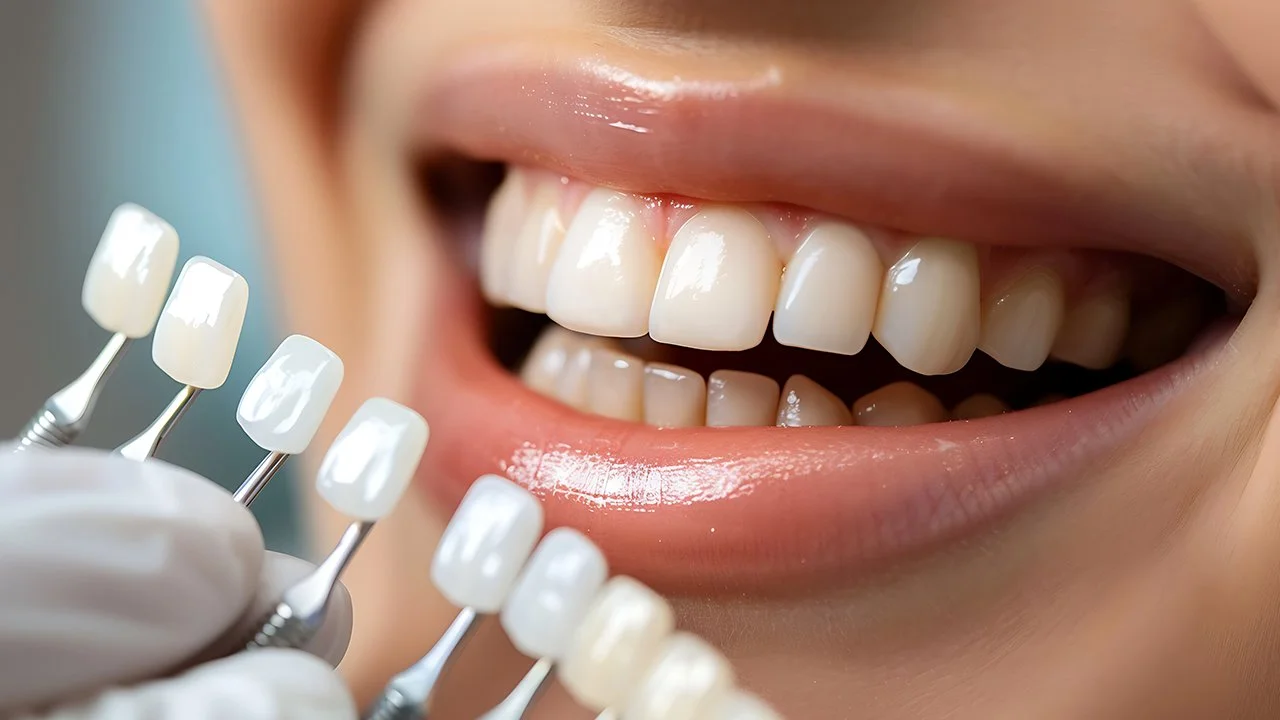
A veneer is a thin layer of material on a tooth’s surface, and it is used to improve appearance. This custom-made shell is designed to alter the tooth’s appearance. Veneers are often made from porcelain or composite resin materials, and they are bonded to the front of the teeth. Here is more information about the differences between veneers and crowns:
Benefits of Veneers
A veneer is a less invasive option than a crown, as it requires minimal removal of the natural tooth structure. This preservation of the tooth is a significant advantage. The procedure typically involves preparing the tooth, taking an impression, and then bonding the veneer in place.
Because veneers are thin shells, they typically look natural. Technicians craft them to match the color of surrounding teeth. Their surface reflects light similarly to tooth enamel, and it adds to the material’s natural appearance.
Porcelain veneers are stain-resistant, and they typically maintain their color over time. They are also strong and durable, and with proper care, they have a long lifespan. Maintenance involves regular brushing and flossing, just like with natural teeth.
Benefits of Crowns
Dental crowns cover the entire tooth like a cap. They provide structural support to a tooth that is weak or damaged. A crown might be recommended following a root canal procedure when the tooth structure is compromised. Crowns are also used to hold a dental bridge in place.
Crowns are made from various materials, including porcelain, ceramic, and metal alloys. The choice of material depends on the tooth’s location, and the dentist will discuss the options available. Because these materials are robust, the crown may withstand biting forces for many years.



Factors That Apply
When choosing between veneers and a crown, several factors come into play. A veneer is used for cosmetic purposes, such as fixing discoloration and minor misalignment. A crown generally is a restorative solution for a tooth with significant damage or decay.
The condition of your original tooth will guide the decision. In some cases, if you have a large filling, a crown provides better protection. Your oral health habits also make a difference. Good hygiene helps extend the life of either restoration. Other elements to review include:
- The amount of healthy tooth structure remaining.
- The position of the tooth in your mouth.
- Your specific aesthetic goals.
Guidance From the Dentist
Your dentist performs an examination to assess your dental health, and they may recommend treatments based on the findings.. This includes evaluating your teeth and gums. X-rays may be taken to get a complete picture of your tooth’s condition beneath the gumline.
The dentist will explain the findings from the examination. They will describe the state of the specific tooth and outline the available treatment options. You will learn about the process for both veneers and crowns, including the preparation and placement steps involved. The dentist provides this information so you can understand the path forward for your dental care.



Schedule a Visit for Veneers
An effective way to determine the right solution for your smile is through a professional consultation. During a visit, your dentist can assess your teeth and provide personalized information based on your unique needs. You can discuss your goals and ask any questions you have about either procedure. Schedule an appointment today to learn more about your options for veneers or crowns.