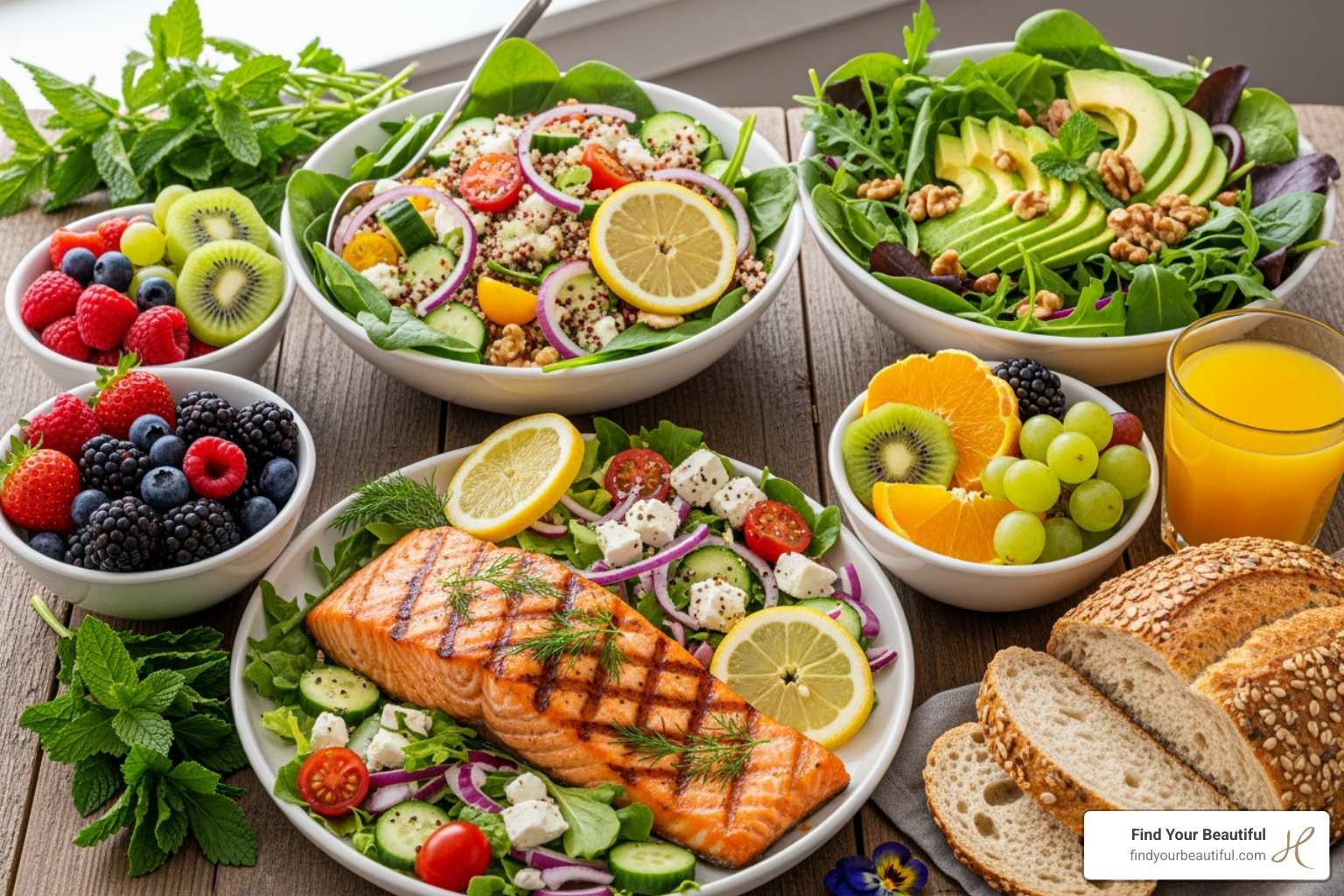
Successful weight management requires a strategic approach to your daily food choices and overall lifestyle habits. Because weight loss involves complex metabolic processes, a structured plan supports your health goals most effectively. You track your daily intake, and you monitor your progress to identify dietary patterns quickly. Here are some effective meal planning strategies for weight loss:
Incorporate Whole Grains
Whole grains contain substantial fiber, and this dense nutrient keeps you feeling full for many hours. Refined options lack the bran and germ components found naturally in these nutritious food sources. Because digestion occurs slowly, your blood sugar levels remain stable throughout the entire afternoon. You avoid the energy crashes that typically follow the consumption of processed white bread products.
While many people skip breakfast, oatmeal serves as an excellent option for starting your morning right. You might select quinoa for dinner, or you could try barley in a warm soup. These grains contain specific nutrients that are missing from the popular refined carbohydrate alternatives. Since they offer satiety, you naturally consume fewer calories during the rest of the day.
Eat Vegetables
Vegetables provide high volume to fill your plate completely, yet they contain very few calories. While you plan your weekly menu, aim to include a variety of colors every single day. Leafy greens offer vitamins without adding significant energy to your daily total caloric count.



Because they contain water, vegetables help you stay hydrated while you consume your meals. Different colors of vegetables represent various protective nutrients, and these are beneficial for your body’s systems. You support your immune system by eating a diverse range of plant-based foods.
While fresh produce tastes great, frozen options also offer nutritional value for your busy schedule. You can steam frozen broccoli, or you might roast fresh cauliflower for a different texture. Preparation methods change the flavor profile significantly, so experiment to find what you enjoy most. Steaming preserves nutrients, and roasting brings out a natural sweetness in many root vegetables.



Control Portions
Measuring your food prevents accidental overeating during your breakfast, lunch, or dinner meals. You use a scale for accuracy, or you utilize measuring cups for liquid ingredients. Since guessing amounts may lead to errors, precise tools support your weight loss efforts greatly. Understanding true serving sizes reveals hidden calories that sabotage your hard work.
Try these methods:
- Use smaller plates.
- Check serving sizes.
- Wait for seconds.
- Drink water often.
Be Consistent
You plan meals ahead, and you reduce the temptation to grab convenient fast food. A regular eating schedule trains your body to expect food at specific times daily. Because motivation fluctuates, discipline remains the primary driver of your long-term success. Sticking to a routine builds the habits that eventually become second nature to you.
Find Weight Loss Solutions Today
When you prepare healthy food in advance, you remove the stress of last-minute decisions. Meal planning simplifies the complex journey of losing weight through organization and strict foresight. Start the process today, and contact us to learn more about our personalized programs. You need a plan that works for your unique needs and lifestyle preferences.