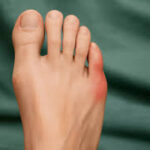
Foot fungus is an infection that affects the skin and nails, often starting as a mild irritation and progressing when left untreated. While it may appear as a minor concern, ongoing foot fungus can cause discomfort, itching, cracking, and nail changes. The condition may spread to other areas of the body, recur frequently, or increase the risk of secondary skin infections in some cases. Here’s a closer look at how foot fungus can affect overall well-being:
Disrupting Daily Life
Foot fungus starts as a minor skin irritation, but it can quickly become a constant source of discomfort. The physical symptoms create daily limitations, and they impact your ability to focus on ordinary tasks. Here are some symptoms of the condition that disrupt daily life:
- Skin peeling or cracking between the toes.
- Painful blisters that limit physical mobility.
- Thickened or discolored toenails that require special care.
- Dry and scaly patches on the soles of the feet.
These physical symptoms require careful and consistent management. People often alter their regular daily habits because the skin discomfort persists throughout the entire day. Individuals may avoid certain physical activities or need to spend extra time caring for their feet.
Triggering Bigger Health Issues
A severe foot fungal infection can cause secondary physical complications. If the dry skin cracks between your toes, harmful bacteria can enter the deeper tissue layers. This exposure leads to painful bacterial infections, and the patient requires different medical interventions to heal. When fungi spread beyond the feet, conditions like ringworm or jock itch develop, and the necessary treatment plan becomes much more complex.



Certain individuals face a much higher risk of infection. Patients with diabetes, due to their compromised immune systems, are more likely to experience severe fungal complications. If you have a weak immune system, foot fungus creates severe health risks.
Spreading And Repeat Infection
Community locker rooms and pool decks serve as common transmission sites because fungi prefer damp and warm environments. People walk barefoot in public community showers and easily pick up harmful dermatophytes. When you touch contaminated floors or shared surfaces, the fungus transfers directly to your skin, and it begins to multiply quickly.



If you wear damp socks throughout the day, the fungi remain in a favorable growth environment. Some people share shoes or bed linens, and this common habit passes the infection back and forth. Enclosed shoes trap excess sweat; the feet stay moist, and foot fungus can survive for extended periods.
Treating And Preventing Recurrence
While basic home remedies offer mild relief, a professional medical evaluation provides the most effective treatment options. Doctors prescribe strong oral medications, and they recommend topical creams for targeted symptom relief. Here are practical tips that may ease discomfort and support medical treatment:
- Wash your feet daily with basic soap and water.
- Dry your feet thoroughly after bathing or showering.
- Change your socks regularly throughout the entire day.
- Wear shoes that offer good ventilation.
- Avoid walking barefoot in public community spaces.
These daily hygiene habits prevent rapid fungal growth. Whenever you visit a community pool or public sauna, make sure that you wear protective footwear. You should avoid sharing towels or rugs with other people, and you must keep your feet clean.
Schedule Your Foot Fungus Evaluation
Foot fungus is a persistent medical issue; although it starts on the outer surface of the skin, it can affect your overall physical health. Proper medical treatment stops the active infection, and daily preventive measures keep your feet healthy. When you keep your footwear dry and avoid shared surfaces, the risk of reinfection drops, and your daily comfort improves dramatically. Contact a qualified foot and ankle specialist near you to schedule your evaluation for a foot fungal infection.