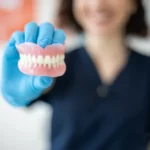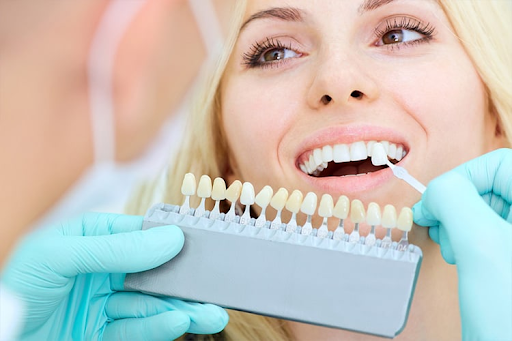
When a tooth is missing or damaged, dental restorations can help restore the structure and function of your smile. These solutions, which include crowns, bridges, dentures, and dental implants, replace or repair teeth. Among these options, dental implants offer a distinct approach by addressing both the visible part of the tooth and its root structure, which can have an impact on long-term oral health. Here’s more on the benefits of dental implant restorations:
Preserving the Jawbone
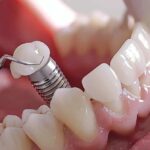
Dental implants are small, threaded posts that are surgically placed into the jawbone to replace missing tooth roots. An implant acts as a stable foundation for a custom-made restoration, like a crown, bridge, or denture. The implant integrates with the jawbone, offering functional and aesthetic benefits.
By mimicking a natural tooth root, a dental implant provides stimulation to the jawbone during normal functions, like chewing. This process helps to maintain bone density and volume. Without a root or an implant to provide this stimulation, the jawbone can gradually deteriorate over time, and this may affect the stability of adjacent teeth and the overall facial structure. Some common uses of implants include:
- Replacing a Single Tooth With an Implant-supported Crown
- Supporting a Dental Bridge for Several Missing Teeth
- Stabilizing a Partial or Complete Denture
- Supporting a Full-arch Restoration
Enhancing Oral Functionality
Restoring missing teeth with a fixed solution like implants can lead to noticeable improvements in everyday oral activities. The stability provided by an implant that has integrated with the jawbone contributes to more efficient and comfortable oral functioning. Here is how dental implants enhance oral functions:



Chewing More Easily
Dental implants are anchored directly into the jaw, which allows them to withstand the forces of biting and chewing in a manner similar to natural teeth. This stability helps distribute chewing pressures evenly across the jaw. Implant restorations help patients eat a wide variety of foods more easily, without concerns about slippage, which can be associated with removable prosthetics.
Speaking More Clearly
The presence and position of teeth are fundamental to proper speech and clear pronunciation. Missing teeth can create gaps that cause air to escape improperly, leading to lisps or slurred words. Because dental implants are fixed in place and support a permanent restoration, they help eliminate these gaps and provide a stable structure for the tongue to press against, allowing for more natural and clear phonetics.



Lasting Results
Dental implants are designed to be a long-term solution for tooth replacement. The implant posts are made from durable materials, like titanium or ceramic, which are known for their strength and biocompatibility with the human body. The success and longevity of a dental implant depend heavily on proper care and maintenance, and they require the same diligence as natural teeth. Routine maintenance involves consistent brushing, daily flossing, and attending regular dental checkups and cleanings. With appropriate hygiene and regular professional assessments, restorative implants can serve their function for a lifetime.
Schedule a Dental Implants Appointment
Dental restorations benefit many people by supporting their oral structure and functionality. To learn about your dental restoration options, contact a dentist today for a consultation. A professional can discuss treatments and determine the most appropriate course of action for your specific oral health needs.