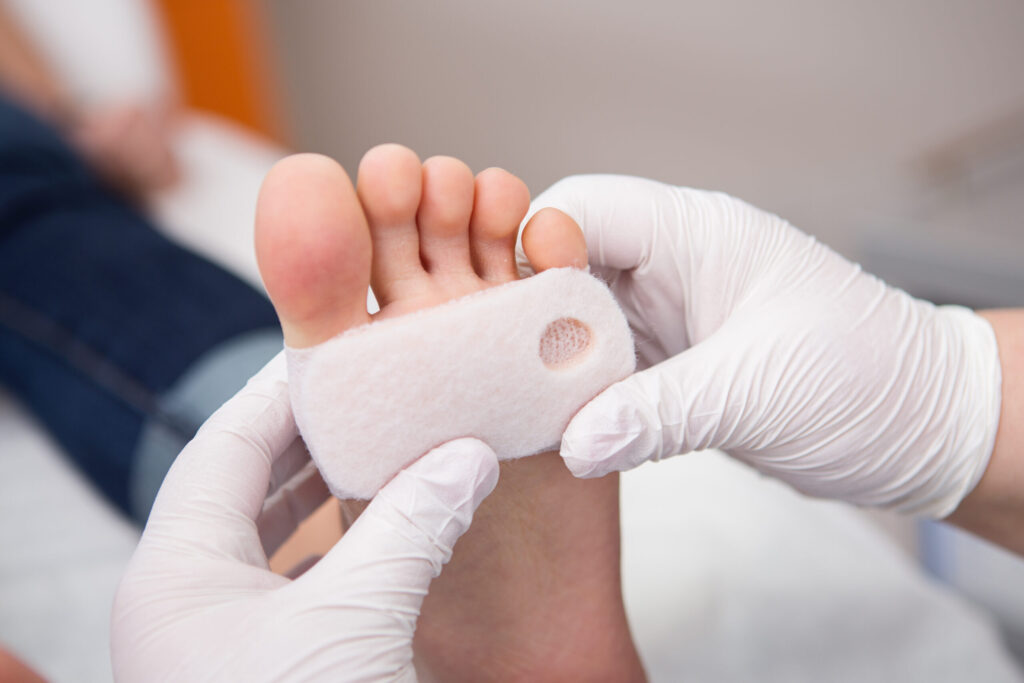
The foundation of nearly every athletic movement begins with the feet. From sprinting down a track to changing direction on a court, the feet absorb impact and provide the power for motion. Understanding the mechanics of foot health can directly influence an athlete’s output, efficiency, and overall performance. A podiatrist specializes in the diagnosis and treatment of the foot and ankle, offering unique insights for athletes looking to optimize their capabilities.
How Do Feet Impact Performance?
An athlete’s feet are the primary point of contact with the ground, making their function fundamental to movement. They support the body’s weight, act as shock absorbers, and serve as levers to propel the body forward. Proper foot alignment and mechanics allow for an efficient transfer of energy through the body, which can affect everything from running economy to jumping height. Any inefficiency or instability in the feet may lead to compensations elsewhere in the body, potentially hindering performance and increasing the risk of injury.
The structure and function of the feet directly influence how an athlete moves. Here are a few key aspects:
- Arch Support: The arches of the feet help distribute pressure evenly across the foot with each step. A well-supported arch provides a stable base for pushing off, while flat or overly high arches can alter biomechanics.
- Toe Function: The toes, particularly the big toe, are central to balance and propulsion. Proper toe alignment and strength enable a powerful push-off during running and jumping.
- Ankle Stability: The ankle joint connects the foot to the lower leg and plays a large part in balance and movement. Stable ankles allow safe, effective lateral movements and absorb impact effectively.
When the feet function correctly, the entire kinetic chain can operate more efficiently. This alignment helps athletes generate more power, maintain balance, and move with greater precision. A podiatrist can evaluate these mechanics to identify areas for improvement.



How Can Orthotics Improve Speed?
Custom orthotics are medical devices prescribed by a podiatrist that are worn inside shoes to correct biomechanical foot issues. For athletes, these devices can be a tool to enhance performance, including speed. By supporting the foot in a more mechanically sound position, orthotics help optimize the transfer of force from the foot to the ground. This adjustment may lead to a more powerful and efficient stride.
When an athlete’s foot is not properly aligned, energy can be lost as the foot rolls too far inward or outward. Orthotics help guide the foot into a neutral position, minimizing this wasted energy. This correction allows the muscles and tendons in the legs to work more effectively, potentially translating to increased stride length and frequency. By improving the foot’s lever function, orthotics can help an athlete generate more propulsive force with each step.



What Conditions Affect Training?
Certain foot conditions can interfere with an athlete’s training regimen, causing discomfort and limiting performance. These issues often develop from overuse, improper footwear, or underlying biomechanical problems. Several common conditions can affect an athlete’s ability to train consistently.
- Plantar Fasciitis: This condition involves inflammation of the plantar fascia, the thick band of tissue that runs across the bottom of the foot. It typically causes stabbing pain near the heel, which is often most intense with the first steps in the morning.
- Achilles Tendinitis: An overuse injury of the Achilles tendon, which connects the calf muscles to the heel bone. It is common in runners and athletes in sports that involve a lot of jumping.
- Stress Fractures: These are tiny cracks in a bone, often caused by repetitive force or overuse. They are common in the weight-bearing bones of the foot and lower leg.
Left unaddressed, these conditions can become more severe and may lead to prolonged time away from training and competition. A podiatrist can diagnose the specific issue and recommend a treatment plan tailored to the athlete’s needs and goals, helping to facilitate a quicker and safer return to activity.
Consult a Podiatrist
Understanding the relationship between foot health and athletic performance is a clear advantage for any athlete. From optimizing biomechanics to addressing underlying conditions, the feet are a foundational element of athletic success. A podiatrist provides specialized knowledge to help you maintain foot health and reach your performance goals. Taking a proactive approach to foot care can support your training efforts and contribute to your longevity in your sport. If you have concerns about your feet or are looking to enhance your athletic performance, scheduling a consultation with a podiatrist is a practical next step.