When bones, joints, or soft tissues are compromised, orthopedic surgery offers a pathway to restore function and stability. The long-term effects of such surgical interventions can influence joint mobility, overall biomechanics, and quality of life. Recognizing these impacts is a key step in setting realistic post-surgical expectations and preparing for the years ahead.
What Is Orthopedic Surgery?
Orthopedic surgery refers to procedures aimed at addressing conditions affecting the body’s structural components, including bones, joints, cartilage, ligaments, tendons, and muscles. Specialists in this field use both traditional and innovative approaches to address areas of dysfunction. Common procedures range from setting fractures and repairing ligaments to performing complex joint replacements or corrections for deformities.
Technological advances continue to refine these procedures. Arthroscopy allows for minimally invasive repairs, which can reduce tissue disruption and support faster initial recovery. For more extensive issues, joint replacement surgeries offer artificial components designed to replicate natural motion as closely as possible.
What Can It Address?
Orthopedic surgery helps address a broad spectrum of conditions. Orthopedic surgery not only addresses immediate problems but may also help mitigate future deterioration or instability. Areas of treatment vary, including:


- Traumatic Injuries: Common causes include falls, motor vehicle accidents, and sports injuries. Fractures, torn tendons, and dislocations often require precise surgical repair to regain stability and function.
- Degenerative Disorders: Wear and tear on the joints, typically due to osteoarthritis, progressively degrade cartilage and restrict movement. Hip and knee replacement surgeries are frequent solutions, often restoring function and reducing discomfort.
- Soft Tissue Pathologies: Conditions affecting ligaments, tendons, or nerves often benefit from targeted surgical intervention. Repair or release procedures aim to relieve pain and restore movement or sensation.
What Should You Expect?
The outcomes and long-term effects of orthopedic surgery depend on the type of procedure, the area treated, and each person’s health profile and rehabilitation participation. Restoration of joint movement and limb function is often a motivating factor for surgery. While prosthetic devices and repaired tissues aim to mimic natural movement, they can subtly change joint mechanics. A knee replacement, despite improving stability and mobility, may feel different than a natural joint. Some patients notice altered gait or movement patterns, which can affect adjacent joints or muscles over time.
Artificial joints and other implants are durable but may not last a lifetime. Artificial materials can eventually wear or loosen. Revision surgeries may become necessary as years pass. Regular monitoring through follow-up appointments helps detect early signs of arising problems, managing them before they affect overall function.



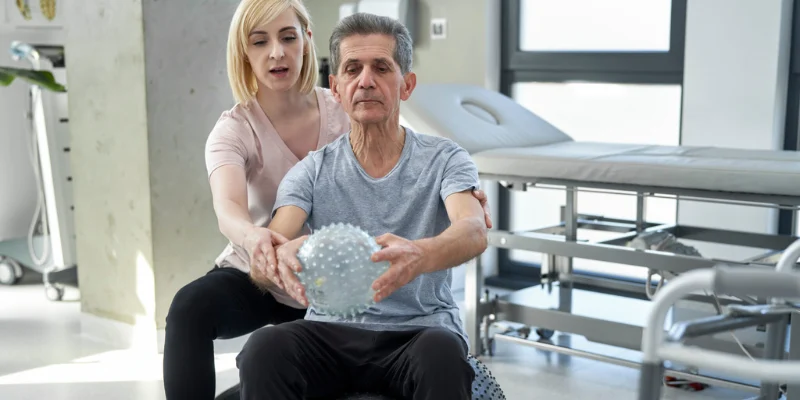
Long-term success typically relies on active participation in rehabilitation and ongoing exercises to build and maintain muscle strength and joint stability. Physical therapy typically begins soon after surgery. Patients may need to adapt daily habits, basing these changes on their unique outcomes and joint health. Lifelong commitment to muscle and joint care can support the benefits of surgery.
Confer With Your Surgeon
Long-term orthopedic outcomes are influenced by many individual factors. A surgeon with expertise in your condition is best equipped to provide an overview of potential outcomes. Discussing post-surgical expectations, monitoring plans, and activity modifications may help patients make informed decisions and prepare for future changes. A collaborative relationship with a specialist can provide personalized recommendations and reassurance, supporting ongoing musculoskeletal wellness for years after surgery.