An ingrown toenail is a common podiatric condition, and it affects many individuals. Patients may experience discomfort in their toes or observe changes in the skin around the nail. Recognizing these signs early helps in managing the condition effectively. Here is more information on this condition, what causes it, and the available treatment options:
What Is an Ingrown Toenail?
An ingrown toenail occurs when the edge of a toenail grows into the surrounding soft flesh. The big toe is the most frequently affected area, but other toes can also develop the issue. The nail pierces the skin, triggering an inflammatory response in the tissue.
What Causes It?
Several structural and behavioral factors contribute to the development of this nail issue. Improper nail trimming is a primary cause, and cutting nails too short encourages the edges to grow directly into the skin. Patients should cut their nails straight across to minimize this physical risk.
Footwear choices also contribute to physical pressure on the toes. Tight shoes squeeze the toes together, and this compression forces the nail to curve downward into the skin bed. Genetics can dictate the natural shape of the nail, making some individuals more prone to the condition.



Trauma directly to the foot can also alter the natural growth pattern of the toenail. Dropping a heavy object on the toe damages the nail matrix, and this injury prompts the nail to grow erratically. Repetitive micro-trauma from activities such as running poses a similar physical hazard.
What Are the Symptoms?
Patients typically experience localized pain at the site of the affected nail edge. Swelling is a common clinical sign, indicating localized tissue inflammation. The skin surrounding the nail often becomes red, and the area may feel warm to the touch.



Advanced cases may present with signs of localized infection. Fluid or pus may drain from the area, triggering worsening pain. Recognizing these progressive symptoms prompts timely medical evaluation, preventing further tissue complications.
What Are the Treatment Options?
Initial management often focuses on reducing the immediate inflammation and physical pressure. Patients can take over-the-counter anti-inflammatories, and they should avoid wearing tight shoes and socks. Modifying footwear choices relieves the mechanical stress on the affected toe.
Conservative care also includes routine foot soaking in warm water. This practice softens the nail plate, and it helps loosen the surrounding inflamed tissue. Medical interventions become necessary when conservative measures fail or an infection develops. Physicians may prescribe antibiotics to clear the bacterial infection or perform surgery.
How Is Professional Care Beneficial?
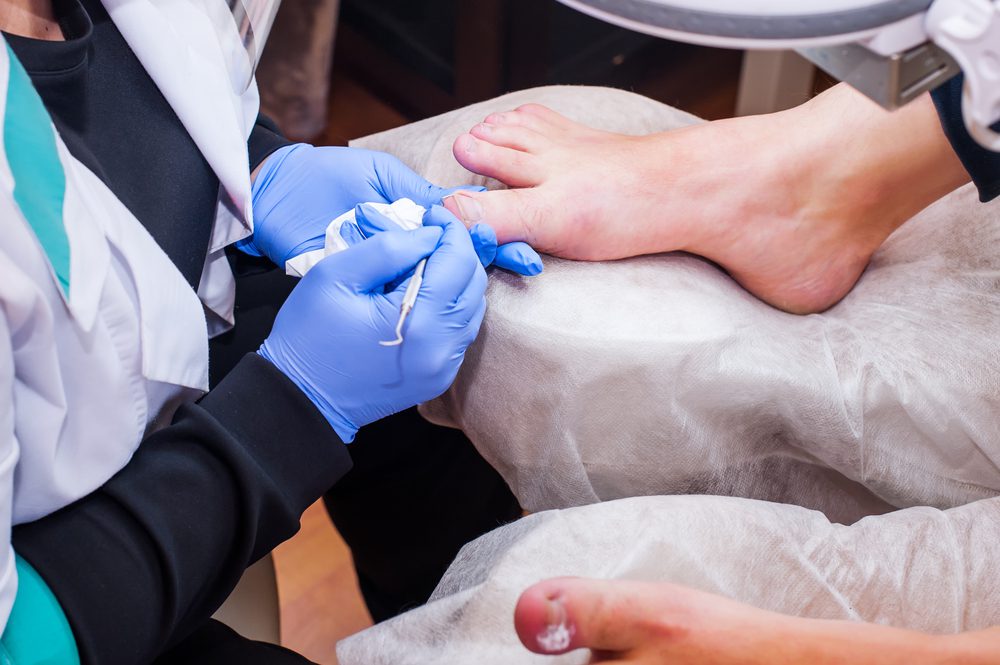
A podiatrist has specialized clinical training to manage complex or recurrent nail conditions. They can assess the severity of the ingrown toenail, and they will formulate an appropriate, individualized treatment plan. Professional intervention helps reduce the likelihood of chronic infections and long-term nail deformities.



Clinical procedures performed in a medical setting maintain sterile protocols. This approach may minimize post-procedural complications and promote improved recovery times for the patient. Podiatrists may provide specific guidance on preventative nail care techniques, and ongoing professional monitoring helps maintain foot health.
Consult a Podiatrist Today
An ingrown toenail presents with specific signs, such as redness, swelling, and localized pain. Identifying the condition early facilitates prompt treatment, and it helps prevent secondary bacterial infections. Contact a local podiatric clinic to discuss your specific symptoms and available clinical treatments.