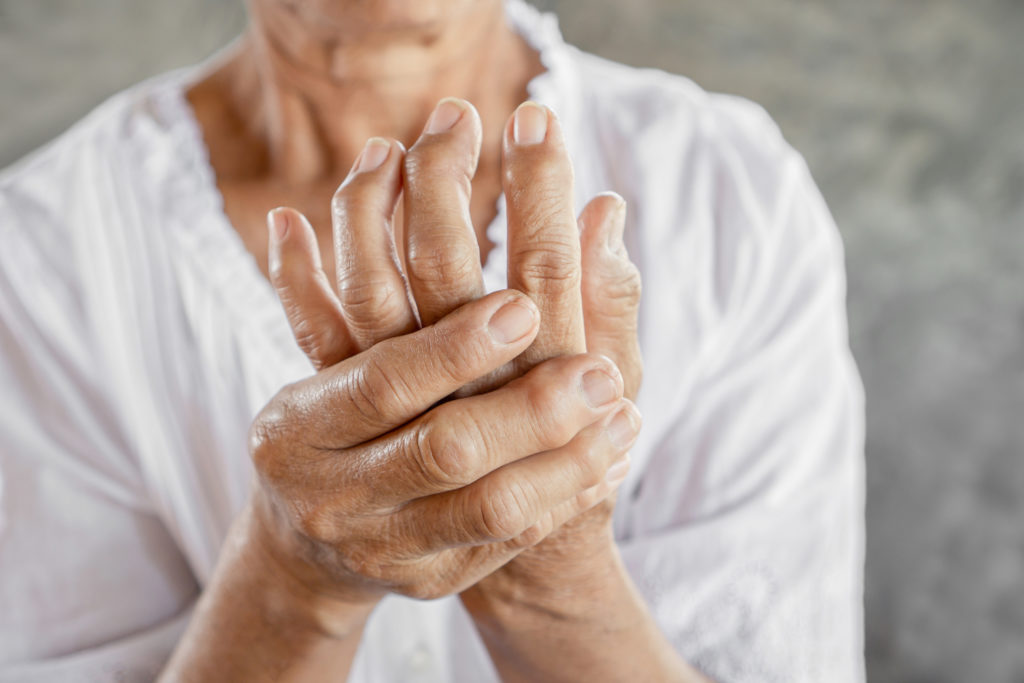
Arthritis causes lasting joint pain and severe stiffness in aging individuals. Because the human body ages steadily, the risk for developing these debilitating joint problems increases significantly. Many older adults face this painful condition daily, and the disease repeatedly limits their regular physical activities. Here is more information about the connection between aging and arthritis:
Degraded Cartilage
When you grow noticeably older, the protective tissue located between your moving bones slowly breaks down. This steady cartilage loss creates very painful friction during your basic daily physical movements. Your rigid bones rub together directly, and this harsh friction causes significant discomfort during simple daily tasks. The aging human body actively struggles to replace this lost protective tissue over a long timeframe.
Your overall joint structure degrades steadily over time, and the resulting damage restricts your natural physical flexibility. While young bodies efficiently repair minor daily wear, older joints lose this regenerative biological ability. Medical specialists regularly trace many modern mobility issues back to this specific structural bodily tissue decline. The internal joint space narrows significantly, and this leaves the underlying bone unprotected.
Chronic Inflammation
Aging internal immune systems may trigger a steady and uncomfortable swelling around your vulnerable bodily joints. Since older biological cells function quite differently, they release proteins that constantly agitate joints. This chronic physical inflammation damages the surrounding soft tissue, and it may lead to arthritis and these problems:
- Persistent and sharp aching in the knees after walking.
- Stiff and painful fingers during the early morning hours.
- Swollen wrists following routine light daily physical exercise.
- Reduced physical range of motion everywhere.
- Constant dull throbbing in the lower back region.
Less Efficient Healing
If internal joint damage occurs from daily activity, an older human body needs significantly more recovery time. Natural bodily blood flow decreases with age, and this biological change may slow down the repair process. Minor untreated physical injuries compound over time into permanent and painful joint damage. While youth greatly speeds up natural healing, older age transforms minor physical sprains into lasting chronic aches.
Cellular turnover rates may drop in your later decades of everyday active human life. Old biological cells die off naturally, but new healthy cells might fail to replace them fast enough. Because the biological healing mechanisms stall out, your aching joints demand targeted medical intervention for relief. Physical therapy provides some necessary structural support for these weakened and slowly healing bodily areas.



Dense internal scar tissue builds up quite rapidly, and this fibrous material highly restricts normal joint movement. As the healing process takes much longer, aging patients typically suffer from prolonged periods of stiffness. Daily pain levels may increase during this difficult phase, and patients may seek medical help for relief.
Weight-related Factors
As your basic resting bodily metabolism slows down noticeably, extra body weight accumulates much more quickly today. This additional physical mass places immense and constant daily pressure on your hips and knees. Gravity pushes heavily down on your weakened leg joints, and the heavy physical load speeds up tissue destruction.
Get Treated for Arthritis
Modern medical treatments offer very practical therapeutic options for effectively managing severe daily joint pain today. There are multiple condition management choices available, and doctors tailor these professional plans to your specific needs. Before your daily joint symptoms worsen over time, seek professional medical advice immediately. Schedule a consultation appointment with a local rheumatology clinic to protect your aging joints from permanent damage.