When you face a sudden medical crisis, the emergency room (ER) is your most valuable resource. They are equipped to handle severe health problems, and they can provide rapid attention. Understanding their function helps you make decisions. Emergency rooms offer advanced medical services whenever you need them, day or night.
Conditions Treated at an ER
Emergency rooms manage a wide range of urgent medical issues. Doctors treat symptoms like severe chest pain. They also handle breathing difficulties, such as asthma attacks or shortness of breath. If you experience signs of a stroke, like numbness or loss of balance, the emergency room acts quickly. These facilities can address sprains and fractures to trauma from motor vehicle accidents, and they assist during severe health events. Other issues, such as high fever, severe abdominal pain, and allergic reactions, are also treated. Emergency rooms assess and care for dizziness, loss of consciousness, and conditions like appendicitis. When people arrive with nausea, vomiting, or headaches, ER professionals evaluate and provide the necessary support. These medical emergencies require timely attention, and the ER is equipped to respond. The staff provides care to address your needs, and it is given in a timely manner.
Services Provided for You
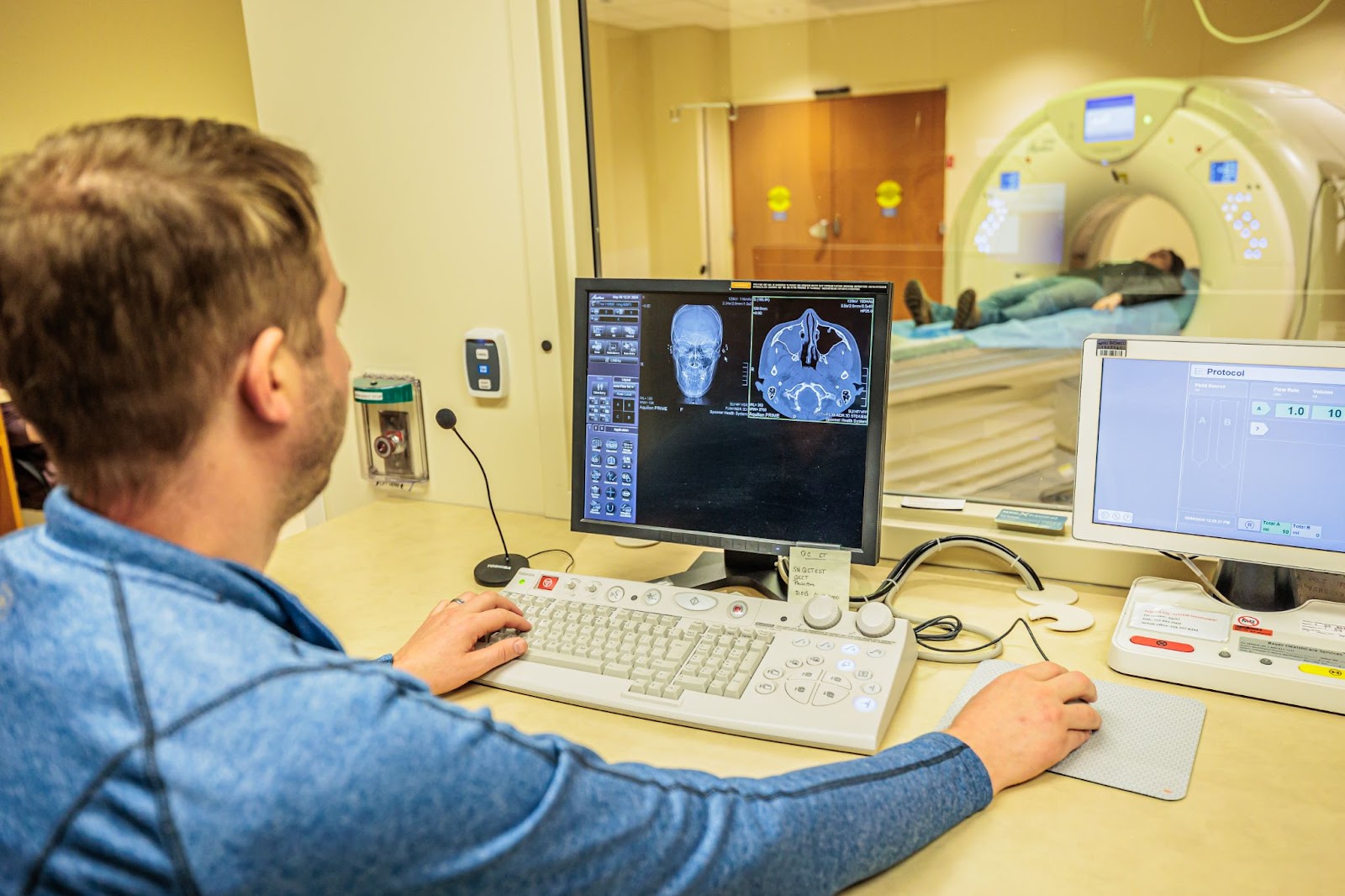
An ER offers advanced medical services. and they can diagnose and treat patients for a range of situations. They provide IV medications for rapid treatment delivery. Diagnostic tools such as CT scans and ultrasounds are available to examine internal structures. These imaging services support the evaluation of conditions such as kidney stones or internal injuries. If you need IV hydration or specialty infusions, the ER administers these. Cardiac enzyme tests help screen heart health. On-site labs return results quickly, supporting decisions during care. In some situations, overnight observation is possible, allowing for ongoing care while doctors determine the next steps. The ER offers both simple and complex interventions, and it focuses on patient needs.
Options for Specialized Care
You receive care from professionals in the ER who are trained in emergency medicine. ER doctors and nurses work together to manage acute situations requiring quick action. This knowledge supports care for issues such as sepsis or overdose treatment. The team coordinates to stabilize patients, and they provide consistent attention while developing a plan of care. Each patient receives an assessment, which allows the staff to adapt to changing needs. Emergency staff may consult specialists when needed, and they will support you with the treatments available. This supportive approach is designed to provide prompt and effective attention during a challenging time.
The team’s coordinated care helps you stay informed and reassured throughout your treatment. Communication is another key aspect of the care process. Support services, such as translators, counselors, and social workers, address unique needs and make sure every patient feels heard and understood. They use a holistic approach, so care extends beyond immediate medical needs.
Seek Emergency Room Care
The emergency room plays a key role in saving lives during acute medical situations. From treating severe injuries to managing sudden illness, it provides time-sensitive care. The combination of expert staff, advanced services, and a wide range of treated conditions makes the ER a cornerstone of healthcare. If you or someone else experiences a life-threatening symptom or injury, do not hesitate to seek help. Call 911 or go to your emergency room immediately for help.