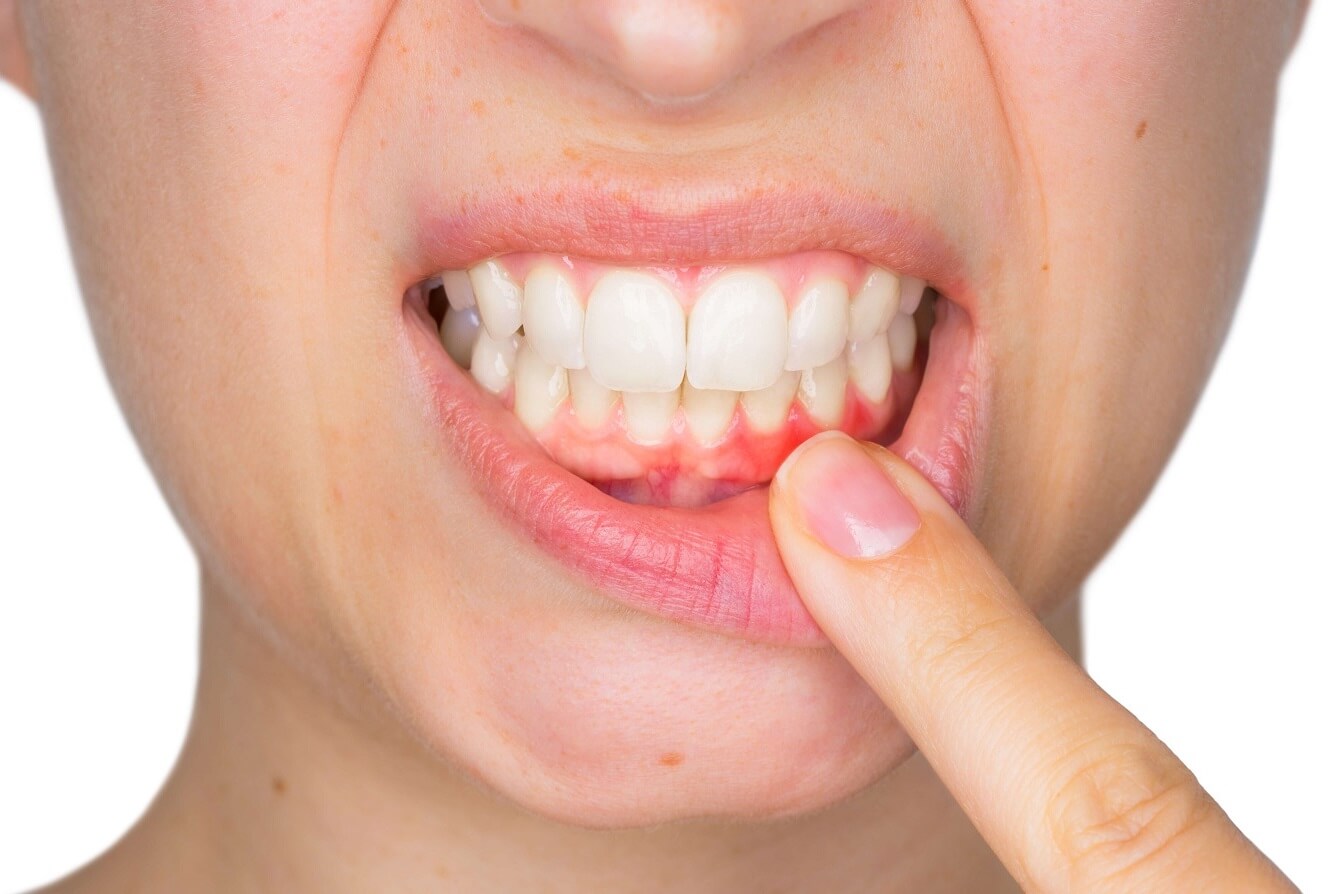
Gum disease affects the soft tissues surrounding teeth and significantly impacts oral health. It begins with bacterial growth in the mouth and may lead to tooth loss if untreated. Family dentistry offers resources and professional care to help patients of all ages manage this condition.
What Causes Gum Disease?
Plaque formation is the primary cause of gum disease. This sticky film contains bacteria that feed on sugars from food and drinks, releasing acids that irritate your gum tissue. If you don’t brush and floss daily, plaque hardens into tartar along the gum line, creating a breeding ground for more bacteria and requiring professional removal.
While poor oral hygiene is a common cause, several other factors can influence your susceptibility to infection:
- Genetics: Your family history plays a role in how your body reacts to bacteria.
- Hormonal changes: Shifts in hormones can make your gums more sensitive and prone to inflammation.
- Tobacco use: Smoking or chewing tobacco interferes with gum tissue healing.
Understanding these risks helps you take proactive steps to protect your oral health. By maintaining good habits and recognizing the factors that might affect you personally, you can work with your family dentistry provider to keep your gums healthy and strong.
What Are Symptoms?
The condition often progresses painlessly during its early stages. Patients might overlook initial warning signs if they don’t know what to look for. Monitoring the mouth for specific changes helps identify problems quickly.
- Bleeding gums: Blood appears on the toothbrush or floss, which often indicates active inflammation.
- Swollen tissue: Healthy gums appear pale pink and firm, while infected gums look red, puffy, or tender.
- Bad breath: Bacteria produce distinct odors that linger even after using mouthwash or brushing.
- Receding gums: The gum line pulls back from the tooth surface, which makes teeth appear longer than usual.
Advanced stages are associated with more severe complications in the mouth. Teeth may shift out of alignment or feel loose. Deep pockets form between the teeth and gums as the tissue detaches. Chewing becomes difficult or painful due to these changes.



How Can Family Dentistry Help?
Regular visits allow for necessary professional cleanings. Dental hygienists scale away hardened tartar that brushing misses. This process removes the primary irritants causing inflammation. Clean surfaces allow the gum tissue to heal properly.
Dentists examine the mouth for early indicators of trouble. They measure the depth of spaces between gums and teeth using specialized instruments. Deeper measurements often indicate active disease progression. X-rays reveal bone levels hidden beneath the gum line.
Patient education empowers individuals to improve home care. Staff members demonstrate effective flossing and brushing techniques during appointments. Patients receive tailored advice based on their specific oral health needs. This guidance improves daily routines and supports long-term outcomes.
Consult a Dentist
Schedule an appointment with a dental professional to assess gum health soon. Regular exams catch potential problems before they require extensive treatment. Family dentistry supports oral health maintenance for every member of the household. Early action prevents further complications and protects the smile. Contact a local provider to set up a visit today.