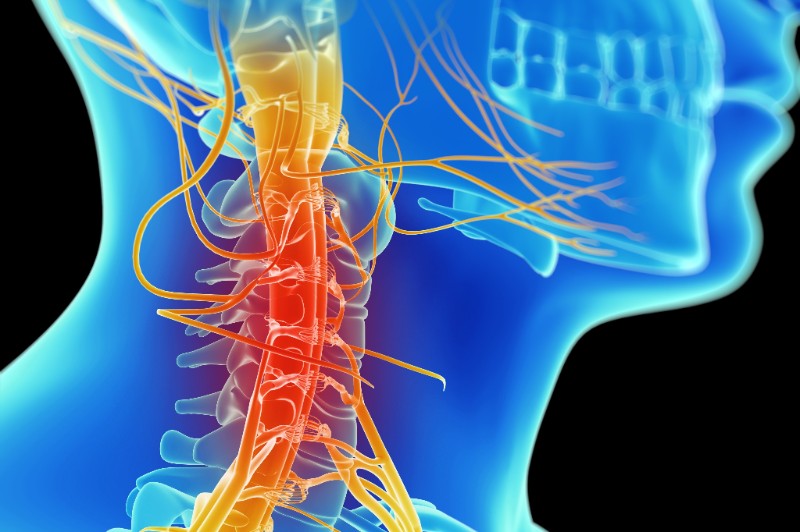
Nerve pain can be persistent, disruptive, and difficult to manage, often affecting sleep, mobility, concentration, and overall well-being. The stress of ongoing symptoms may contribute to anxiety, low mood, and heightened sensitivity to discomfort. Mental health strain can also amplify how pain is perceived and tolerated, creating a self-reinforcing cycle. Here’s more information on the cycle of neuropathic pain and mental health:
Tracking Neuropathic Pain Impact
Nerve pain does more than cause physical discomfort; it changes how your brain processes signals and regulates emotions. Chronic pain activates stress pathways in the brain, which may lead to mood disorders over time. People living with nerve pain often struggle with sleep, and poor sleep makes it harder for the body to heal and increases sensitivity to pain. This creates a vicious cycle where lack of rest worsens both pain and mental health.
Daily activities become challenging when neuropathic pain persists; simple tasks like walking, working, or spending time with loved ones can feel overwhelming. This loss of function often leads to feelings of frustration, isolation, and hopelessness. Social withdrawal is common among individuals with chronic neuropathic pain. When pain limits your ability to participate in activities you once enjoyed, it often strains relationships and increases feelings of loneliness.
Managing Stress and Mood
Mental health conditions don’t just coexist with nerve pain; they can make it worse. Here’s how psychological factors contribute to increased pain levels:
- Stress hormones heighten pain sensitivity: When you’re stressed, your body releases cortisol and other hormones that increase inflammation and make nerves more reactive.
- Anxiety amplifies pain signals: Anxious thoughts keep your nervous system on high alert, which means your brain interprets pain signals more intensely.
- Depression lowers pain tolerance: Chemical imbalances in the brain associated with depression can reduce your ability to cope with physical discomfort.
- Negative thought patterns create anticipation: Worrying about pain before it happens can actually trigger pain responses in the brain.
When your mind is constantly focused on pain or distress, your nervous system struggles to regulate itself properly.
Understanding the Pain Loop
Nerve pain and mental health form a self-reinforcing cycle; pain triggers emotional distress, which in turn increases pain sensitivity. This loop makes it difficult to find lasting relief through traditional pain management alone. The brain’s plasticity plays a role in this cycle. When pain persists for months or years, the brain becomes wired to expect and amplify pain signals. This phenomenon, called central sensitization, means that even minor stimuli can trigger severe pain responses.



Breaking the Cycle
Effective treatment for nerve pain goes beyond managing symptoms. It involves strategies that address the underlying mechanisms of pain and mental health. Here are key components of a comprehensive treatment plan:
- Medical interventions: Treatments like ketamine infusion therapy can help reset pain pathways in the brain and provide rapid relief from both pain and mood symptoms.
- Mental health support: Therapy approaches such as cognitive-behavioral therapy (CBT) help develop coping strategies and change thought patterns that amplify pain.
- Lifestyle modifications: Regular movement, improved sleep hygiene, and stress reduction techniques support physical and emotional well-being.
- Mind-body practices: Techniques like meditation, breathing exercises, and gentle yoga can help regulate the nervous system and reduce pain perception.
- Social connection: Maintaining relationships and participating in support groups provides emotional support and reduces feelings of isolation.
Working with healthcare providers who understand the connection between nerve pain and mental health is fundamental.
Schedule Your Nerve Pain Consultation
Nerve pain and mental health are interconnected in ways that affect your daily life. When chronic pain triggers emotional distress, and stress amplifies pain signals, breaking free from this cycle becomes difficult. A whole-person approach that addresses physical and psychological aspects of neuropathic pain offers the best approach. Contact a trusted healthcare provider near you to schedule your consultation for neuropathic pain today.