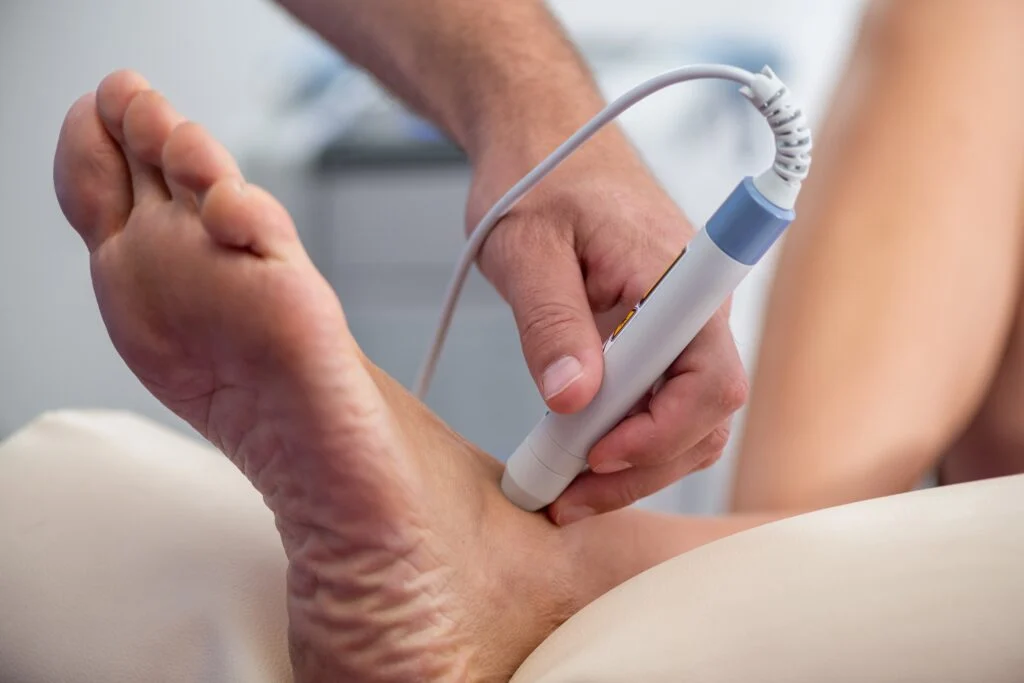
Podiatry focuses on the assessment and management of issues related to the foot, ankle, and associated structures of the lower leg. A podiatrist has specialized knowledge in this field, and they address a range of complaints, including skin and nail issues, as well as biomechanical abnormalities. By supporting lower limb health, podiatrists play a key role in maintaining mobility and comfort. Here are several conditions these specialists can treat:
Skin and Nail Concerns
Managing skin and nail concerns is a fundamental part of podiatric practice, and ingrown toenails are one condition that may cause individuals to seek professional guidance. This condition develops when the nail’s edge grows into the adjacent skin, resulting in discomfort. Fungal infections of both the nails (onychomycosis) and skin (tinea pedis) are also common issues. They can alter the appearance, texture, and integrity of the nails and skin.
Podiatrists regularly address other dermatological issues, including plantar warts. These warts develop due to a viral infection. They are present on the soles, and they sometimes spread without intervention. Corns and calluses, characterized by thickened skin, develop in response to ongoing pressure or friction from footwear or walking patterns. Addressing these challenges involves alleviating current symptoms and preventing recurrence through patient education and footwear recommendations.
Structural and Movement Issues
A podiatrist evaluates the bones, joints, ligaments, and tendons that support foot and ankle function, and they identify structural or biomechanical issues. Common structural concerns include bunions, bony protrusions at the big toe, and hammertoes, which can affect stability and alignment. Plantar fasciitis is another frequent issue. It causes discomfort in the thick tissue band at the foot’s base. Podiatrists also assess factors like flat feet or high arches, which may alter gait or complicate movement. By addressing these contributing factors, podiatrists promote proper alignment and enhance comfort through personalized treatment recommendations.
Systemic Complications
Providing care for systemic complications resulting from broader health issues is a key responsibility for podiatrists. For individuals with diabetes, foot health management is particularly beneficial. Diabetes may lead to neuropathy and reduced blood flow in the lower limbs, increasing risk for ulcers and infections. Regular podiatric examinations are a fundamental part of ongoing diabetic management; they help minimize complications.
Arthritis, whether osteoarthritis or rheumatoid arthritis, can also manifest in the feet or ankles. This leads to joint pain, movement limitations, and possible deformities. Podiatrists address the resulting symptoms, and they provide guidance on maintaining function and mobility. Through regular monitoring and adjustments to footwear or daily routines, they help patients sustain foot health and independence.



Foot and Ankle Injuries
Acute injuries, such as ankle sprains with ligament damage, require careful evaluation, and timely management is key for proper healing. Fractures can be caused by sudden trauma or repetitive stress. They require timely diagnosis and a carefully planned treatment to restore proper function. Tendon injuries, including Achilles tendonitis, cause inflammation in the tendon connecting the calf muscles to the heel. A podiatrist’s knowledge of foot and ankle anatomy and movement supports recovery; it helps patients return safely to regular activities. Long-term care may include education on injury prevention and targeted strengthening exercises to reduce future risks.
Find an Experienced Podiatrist
Podiatry covers a wide range of concerns, including skin and nail issues, biomechanical problems, systemic conditions, and injuries. Consulting a podiatrist when problems arise helps maintain foot and ankle health at every stage of life and supports overall mobility. Specialist care can also prevent more serious complications from developing over time, such as chronic infections or joint damage. If you notice issues with your feet or ankles, schedule a consultation to safeguard your lower limb health.