A LASIK pre-operative evaluation is a comprehensive assessment that eye care clinics conduct to determine if an individual is a suitable candidate for the procedure. This evaluation serves multiple purposes. It allows an eye specialist to screen for conditions that might prevent a successful outcome, take precise measurements of the eyes, and understand a person’s lifestyle and vision goals. It is also an opportunity for individuals to become aware of the process, potential risks, and alternative options available.
What Is LASIK?
LASIK, which stands for laser-assisted in situ keratomileusis, is a type of refractive eye surgery. It is designed to correct common vision problems known as refractive errors. These errors occur when the shape of the eye prevents light from focusing correctly on the retina, resulting in blurry vision. LASIK is one of several surgical and non-surgical vision correction options. The suitability of this procedure varies from person to person, and a thorough evaluation is necessary to identify the best course of action for each individual’s unique circumstances.
Who Is It For?
Determining candidacy for LASIK involves a review of several factors. These typically include having a stable eyeglass or contact lens prescription for a set period. Good overall eye health, without conditions like severe dry eye, cataracts, or glaucoma, is another factor. The evaluation will also assess corneal thickness. A person’s general health, including any existing medical conditions and current medications, is also taken into account.
During the pre-operative evaluation, you can expect a series of detailed tests and examinations. The appointment begins with a discussion of your medical and ocular history and a review of your current eyewear. The specialist will use this information to discuss the procedure, including potential risks and alternatives, without offering any guarantees of specific outcomes.



What Does the Procedure Involve?
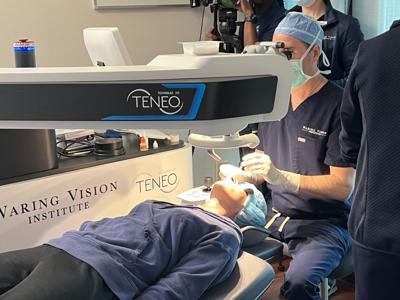
On the day of the procedure, the process begins with preparation. Anesthetic numbing drops are administered to prevent discomfort. A device is used to gently hold the eyelids open, preventing blinking.
The surgery itself has two main steps. First, the surgeon uses a femtosecond laser to create a thin, hinged flap in the outer layer of the cornea. This flap is carefully lifted to expose the underlying corneal tissue.



Next, a laser, guided by the detailed measurements from your evaluation, reshapes the cornea. This laser removes a microscopic amount of tissue to correct the refractive error. After the cornea is reshaped, the flap is repositioned. The entire process for both eyes is typically completed in a short amount of time. After the procedure, patients are usually discharged the same day. General post-operative guidance often includes wearing protective eye shields, especially while sleeping, and attending a series of follow-up appointments to monitor healing.
Meet With an Eye Specialist
The first step toward understanding your vision correction options is to schedule a consultation with an eye specialist. This appointment provides an opportunity to discuss your personal vision goals and ask any questions you may have about the evaluation process or the procedures available. An eye care professional can perform a comprehensive assessment to review whether you are a good fit for LASIK or another vision correction path.