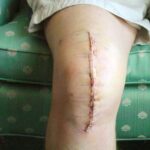
A wound care specialist is a healthcare professional who assesses, treats, and manages complex wounds. These clinicians possess specialized knowledge to evaluate wounds, select appropriate dressings, and coordinate a comprehensive care plan with other medical providers to support the healing process. Here is more information on chronic wound care approaches for seniors:
1. Infection Management
Managing the risk of infection is a fundamental component of chronic wound care. This involves diligent surveillance for signs of infection, following established cleansing protocols, and selecting appropriate dressings. Monitoring the wound’s progress at regular intervals with a wound care specialist is fundamental for early detection of any complications.
Seniors often require specialized wound care due to physiological changes associated with aging. Skin becomes thinner and more fragile, and tissue repair processes may slow down. Reduced mobility can increase pressure on certain areas of the body, while multiple health conditions or medications can further complicate wound healing. Some benefits of consistent wound care plans include:
- Consistent assessment schedules to track progress.
- Selection of appropriate dressings for the specific wound type.
- Coordinated communication among all healthcare providers.
- Education for patients and caregivers on proper home wound care.
- Screening for risk factors that may impede healing.
2. Health Condition Wound Management
Many chronic wounds are linked to underlying health conditions that affect circulation and tissue health. A wound care specialist assesses these conditions when developing a treatment plan, and they work to manage the wound within the context of the patient’s overall health. Here are some common health conditions that can impact chronic wounds:
Vascular Diseases
Conditions affecting blood vessels, such as arterial or venous insufficiency, can greatly impact wound healing. For venous insufficiency, treatment may involve the use of compression therapy as guided by a physician to support circulation. Proper limb positioning and protecting the surrounding skin from further injury are also invaluable steps in these cases. A wound care specialist may coordinate with vascular surgeons or other clinicians when necessary.
Diabetes
For individuals with diabetes, foot care is a major priority. Regular foot inspections are necessary to identify any new sores or changes, and pressure offloading techniques are used to relieve stress on existing wounds. While a wound care specialist does not manage blood sugar levels, they are aware of the role glycemic control plays in healing. They may also provide guidance on appropriate footwear and refer patients to podiatrists for callus and nail care to prevent future complications.



3. Restorative Treatments
Restorative treatments aim to create an optimal environment for the body’s natural healing processes. One common technique is debridement, which is the removal of non-viable tissue from the wound bed. This can be achieved through several methods, including autolytic, enzymatic, or conservative sharp debridement when ordered by a qualified provider.
Maintaining proper moisture balance is also key, as wounds that are too dry or too wet will not heal efficiently. The wound specialist will select dressings that help achieve this balance. For individuals with limited mobility, the use of pressure redistribution surfaces, like specialized mattresses or cushions, can help prevent further tissue damage. Coordinating with physical therapists to improve mobility or with dietitians for a nutrition consultation can provide additional support for the healing process.
Contact a Wound Care Specialist
The treatment of chronic wounds is complex and requires an individualized approach. If you or a loved one is dealing with a non-healing wound, contact a wound care podiatrist for an evaluation. To prepare for an appointment, it can be helpful to write down a history of the wound for the provider. A specialist can perform a thorough assessment and develop a care plan tailored to your specific needs.