Joint replacement surgery involves removing damaged joint parts and replacing them with artificial components to restore function. While this procedure addresses joint pain and dysfunction, the recovery process that follows is a multi-stage journey. Understanding the typical phases of healing and rehabilitation can help you set realistic expectations for your return to daily activities. Here is more information about the recovery process:
Post-operative Care
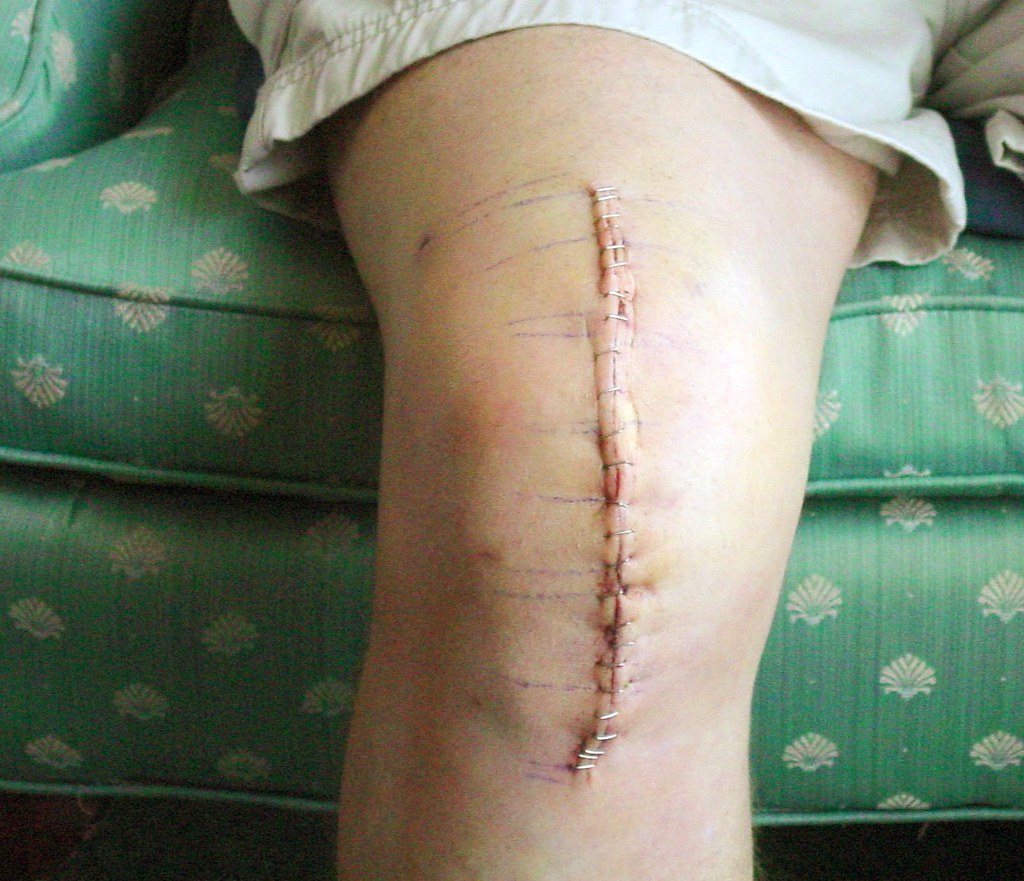
Following your surgery, the initial focus is on managing your immediate post-operative needs. You may receive pain medication, and the nursing staff will closely monitor your condition. When you wake from anesthesia, your new joint may be bandaged, and a drain may be in place to remove excess fluid from the surgical site. This period requires careful attention to the surgeon’s instructions.
Slow Mobilization
Gentle movement begins soon after joint replacement surgery, typically within the first day. A physical therapist can guide you through simple exercises while you are still in the hospital. These initial movements are designed to promote blood flow, and they help prevent complications like blood clots. You will start with small motions, such as ankle pumps.
Learning to move with your new joint is a gradual process. You may use a walker or crutches initially, and a therapist will guide you through learning how to walk, sit, and stand safely. Though it may seem difficult initially, this early activity is a key part of the recovery timeline. Adherence to the prescribed mobilization plan helps you regain independence in a step-by-step manner. This phase prepares your body for the more intensive therapy that will follow once you are home.



Long-term Rehabilitation
After you leave the hospital, your rehabilitation will intensify with a structured physical therapy program. This outpatient therapy is tailored to your specific needs and helps you build strength and flexibility. You will work with a therapist who tracks your progress, adjusting exercises as you get stronger. Committing to this regular therapy is necessary for regaining function.
The long-term rehabilitation phase for surgeries like knee replacement can last for several months. Your therapist will guide you through exercises that target the muscles supporting your new joint. These exercises may be challenging at times, but consistent effort leads to improved stability and range of motion. Progress is measured by your ability to perform tasks with greater ease and less discomfort.



This phase also involves gradually returning to your regular activities at home. Your physical therapist will provide guidance on how to navigate your daily routines safely. This may include instructions on:
- Bending
- Lifting objects
- Climbing stairs
- Getting in and out of a car
As you regain strength, you will become more confident in your movements. You will slowly rely less on walking aids until you can walk independently.
Complete Recovery
Achieving complete recovery is a process that extends up to a year or more after surgery. You will notice a significant reduction in pain, and your mobility will continue to improve over time. Once you have completed formal physical therapy, you should continue with a regular exercise program. This helps maintain the health of your new joint. Patients may return to low-impact activities, such as walking, swimming, and cycling.
Schedule Joint Replacement Surgery
The recovery journey after joint replacement is a structured process that moves from initial healing to full mobility. Following the guidance of your medical team is a component of this journey. If you experience joint pain and have questions about treatment options, your next step should be to seek a professional evaluation. Contact our office today to schedule a consultation with an orthopedic specialist.