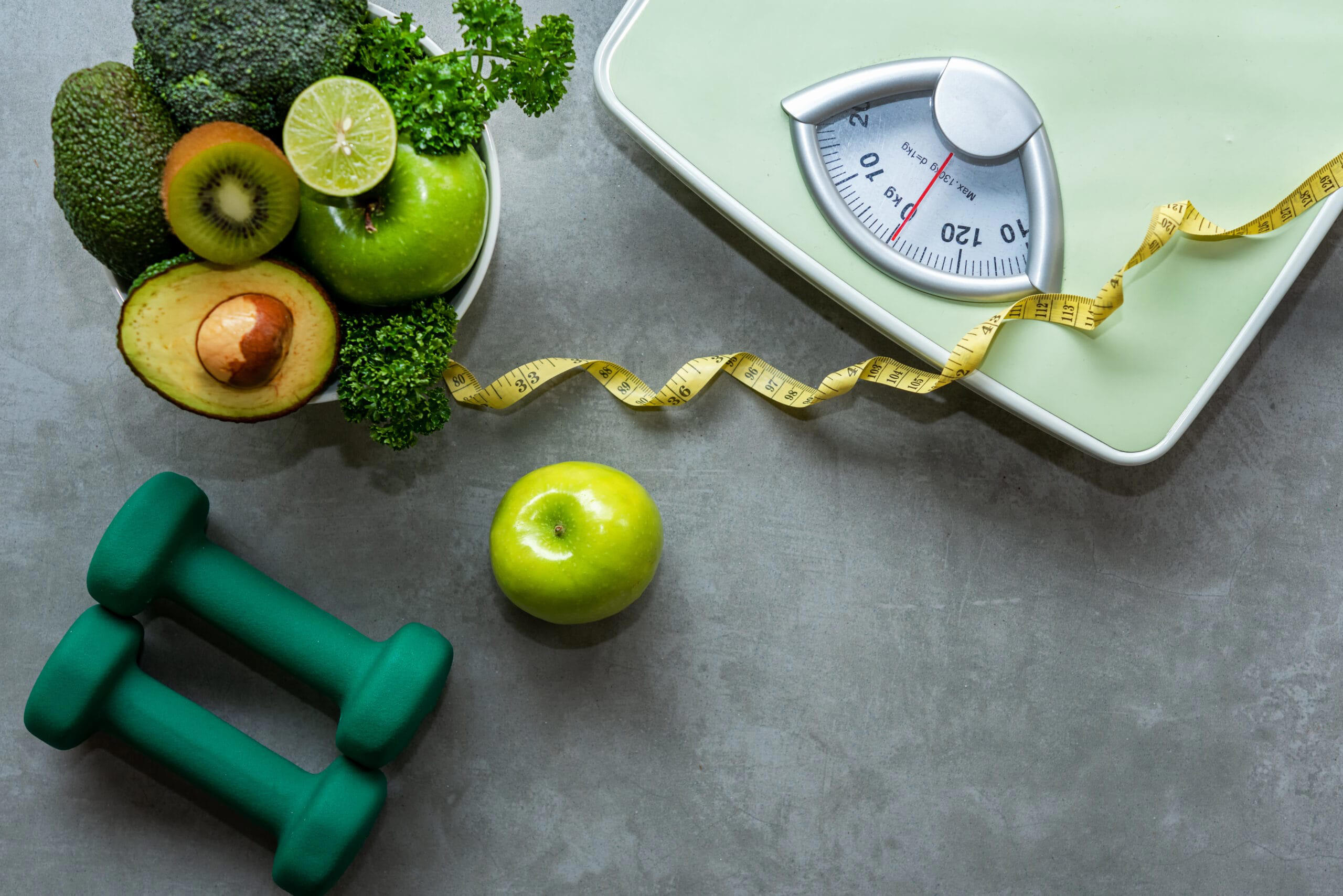
Finding the right balance between diet and exercise is one of the most important steps you can take toward living a healthier, stronger, and more energetic life. Many people either focus too much on working out without paying attention to what they eat, or they eat “healthy” but neglect physical activity. The truth is, both are essential — and when balanced properly, they can transform your health in ways you never imagined.
- Understanding the Connection Between Diet and Exercise
- Step 1: Set Clear and Realistic Goals
- Step 2: Understand Your Nutritional Needs
- Step 3: Design a Workout Plan That Fits Your Lifestyle
- Step 4: Time Your Meals Wisely
- Step 5: Listen to Your Body
- Step 6: Stay Consistent and Track Progress
- Step 7: Avoid Common Mistakes
- Step 8: Keep It Enjoyable
- Conclusion
- FAQs About Balancing Diet and Exercise
In this article, we’ll explore practical strategies to balance your diet and exercise effectively, so you can achieve your health goals without burnout or frustration.
Understanding the Connection Between Diet and Exercise
Before you dive into meal plans or workout routines, it’s crucial to understand how diet and exercise work together.
Think of your body like a car — food is the fuel, and exercise is the engine that burns it. If you fuel your body with the wrong type or amount of food, it won’t perform well, no matter how hard you train. On the other hand, even the healthiest diet won’t give you the best results without some form of regular physical activity.



Diet provides your body with the nutrients needed for:
- Energy production
- Muscle repair
- Hormonal balance
- Immune support
Exercise, on the other hand, improves:



- Metabolism
- Heart and lung health
- Muscle tone and strength
- Mental well-being
When these two work in harmony, you achieve the perfect balance that supports long-term health and vitality.
Step 1: Set Clear and Realistic Goals
Balancing diet and exercise starts with clear goal-setting. What are you trying to achieve — weight loss, muscle gain, endurance, or general wellness?
Your goals determine how you should eat and train. For example:
- Weight loss: Focus on calorie deficit and moderate-intensity workouts like walking, cycling, or strength training.
- Muscle gain: Prioritize protein intake and resistance training.
- Improved energy and health: Aim for balanced nutrition and daily movement, like yoga or brisk walking.
Avoid setting unrealistic goals such as “losing 10 kg in two weeks.” Such targets often lead to burnout or unhealthy habits. Instead, aim for slow, steady progress — it’s more sustainable and healthier for your body.



Step 2: Understand Your Nutritional Needs
Everyone’s dietary needs are different, depending on factors like age, gender, metabolism, and activity level. However, there are some basic principles that apply to everyone.
The Key Nutrients You Need:
- Carbohydrates: Provide energy for workouts. Choose complex carbs like oats, brown rice, and sweet potatoes instead of refined ones.
- Proteins: Repair and build muscles. Include sources like eggs, chicken, beans, lentils, fish, and tofu.
- Fats: Support brain function and hormone balance. Opt for healthy fats from avocados, nuts, seeds, and olive oil.
- Vitamins & Minerals: Essential for overall body function. Get them from a variety of colorful fruits and vegetables.
- Water: Hydration is often overlooked but vital for digestion, metabolism, and exercise performance.
Tip:
Track your calorie intake using an app or food diary. This helps you stay aware of what you’re consuming and how it aligns with your fitness goals.
Step 3: Design a Workout Plan That Fits Your Lifestyle
Your workout routine should match your lifestyle, energy level, and personal goals. You don’t have to spend hours at the gym every day — consistency is what truly matters.
A Balanced Weekly Exercise Plan Might Include:
| Type of Exercise | Frequency | Benefits |
|---|---|---|
| Cardio (walking, running, cycling) | 3–5 times/week | Burns fat, strengthens heart and lungs |
| Strength Training (weights, bodyweight) | 2–3 times/week | Builds lean muscle, boosts metabolism |
| Flexibility (yoga, stretching) | 2–3 times/week | Improves posture, prevents injuries |
| Rest or Active Recovery | 1–2 times/week | Allows muscles to repair and grow |
Remember, quality matters more than quantity. A focused 30-minute workout is better than an unfocused hour-long session.
Step 4: Time Your Meals Wisely
When you eat is almost as important as what you eat. Proper meal timing can maximize your workout results and energy levels throughout the day.
Here’s a simple guide:
- Pre-workout meal: Eat a light meal with carbs and protein about 1–2 hours before exercising (e.g., banana with peanut butter or oatmeal with milk).
- Post-workout meal: Refill your energy stores within 30–60 minutes after your workout with a combination of protein and carbs (e.g., grilled chicken with brown rice or a protein smoothie).
- Throughout the day: Eat balanced meals every 3–4 hours to keep your metabolism steady.
Avoid heavy, greasy meals before workouts, as they can cause sluggishness or stomach discomfort.
Step 5: Listen to Your Body
One of the most overlooked parts of balancing diet and exercise is listening to your body’s signals.
If you feel exhausted, sore, or constantly hungry, it’s a sign that your routine may need adjustment. Maybe you’re overtraining, not eating enough, or lacking proper nutrients.
Don’t push yourself to extremes — rest days are essential for progress. Similarly, don’t skip meals thinking it’ll help you lose weight faster. Your body needs nourishment to stay healthy and active.
Step 6: Stay Consistent and Track Progress
Balancing diet and exercise effectively takes time, patience, and consistency. Track your progress — not just by the number on the scale, but also by how you feel, sleep quality, strength, and mood.
You can keep a journal or use a fitness app to log:
- Meals and water intake
- Daily workouts
- Weight or body measurements
- Energy levels and mood
This will help you identify patterns and make adjustments when needed.
Step 7: Avoid Common Mistakes
Many people make small but significant mistakes that affect their results. Here are a few to watch out for:
- Skipping meals: Can slow metabolism and cause overeating later.
- Over-exercising: Leads to fatigue, injury, and poor recovery.
- Relying on supplements: Focus on whole foods first; supplements should only fill gaps.
- Ignoring sleep: Recovery happens when you rest — aim for 7–8 hours per night.
- Not drinking enough water: Dehydration can reduce workout performance and energy.
Step 8: Keep It Enjoyable
The best routine is the one you actually enjoy. If you hate running, try dancing, swimming, or hiking. If meal prepping feels overwhelming, start small — prep breakfast or snacks first.
Building healthy habits should feel like self-care, not punishment. Celebrate small wins along the way — like lifting heavier weights, feeling more energetic, or simply sticking to your plan for a week.
Conclusion
Balancing diet and exercise effectively isn’t about perfection — it’s about creating harmony between what you eat and how you move. A healthy balance means fueling your body with nutritious foods, staying active in ways you enjoy, resting when needed, and staying consistent.
When you find that rhythm, you’ll notice not only physical improvements but also mental clarity, confidence, and overall happiness. Remember, it’s not a short-term project — it’s a lifelong journey toward a better, stronger you.
FAQs About Balancing Diet and Exercise
1. How many calories should I eat if I exercise daily?
It depends on your age, gender, and activity level. Generally, women need around 1,800–2,200 calories and men around 2,200–2,800. If you’re active, you may need slightly more to support recovery and energy.
2. Is it better to exercise before or after eating?
A small pre-workout meal helps fuel your workout and prevents fatigue. However, avoid heavy meals right before exercising. Post-workout meals are equally important for muscle repair.
3. Can I lose weight just by eating healthy without exercising?
Yes, diet plays a bigger role in weight loss, but combining it with exercise improves results, strengthens muscles, and boosts metabolism.
4. How much water should I drink per day?
Aim for at least 8–10 glasses daily, and more if you exercise intensely or live in a hot climate.
5. How long does it take to see results from a balanced diet and exercise routine?
Most people start noticing changes in 3–6 weeks, such as better energy, improved mood, and small physical differences. Consistency is key to lasting results.