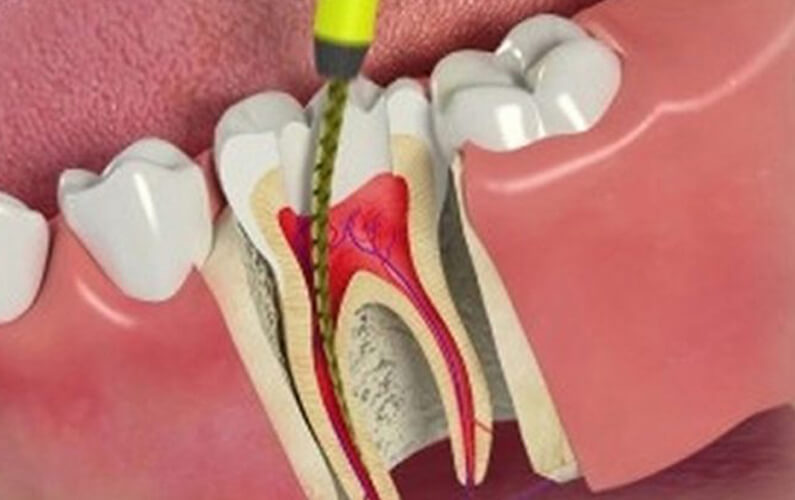
Endodontic implants help restore and stabilize a tooth after root canal treatment has taken place. Their process is multi-step, requiring careful preparation by your dental provider. Since the process involves multiple visits, understanding each phase can help you be better prepared as a patient. Here is what happens at each stage of getting implants:
Antibiotic Treatment and Anesthetic
Before any dental work begins, you may receive antibiotic treatment to help protect against infection. Your endodontist will review your health needs and prescribe medication as needed, asking you to follow the instructions carefully. This preparation helps create a healthy environment for the implant. It may help to reduce the risk of complications from bacteria.
Intravenous Sedation
Some patients find dental work challenging, and requests for intravenous (IV) sedation may be appropriate in such cases. While remaining conscious and deeply relaxed under IV sedation, your response and comfort are carefully monitored by the dental team. This approach may minimize issues for those who prefer extra support in these ways:
- May decrease awareness of time, potentially making lengthy appointments appear shorter.
- May help manage sensitive gag reflexes or other physical sensitivities during dental work.
Local Anesthetic
For most steps, a local anesthetic numbs the area and helps make the procedure more comfortable. You may feel a brief pinch with the injection, then the tooth and gum area will become numb to sensation. The endodontist can verify that the numbing is complete before proceeding. This brief waiting period confirms you are ready for treatment with minimal discomfort.
Once the preparation is complete, the dentist typically gets the tooth ready for post placement. A rubber dental dam covers the tooth, keeping it dry and clean throughout the process. This shield stops saliva from interfering with the delicate steps involved.
Supportive Post
Placement of a supportive post is central in the process for endodontic implants. After cleaning and shaping the root canal, the endodontist typically inserts a post to reinforce the tooth structure and provide a foundation for the eventual crown. This post is made from materials designed to last. It serves as an anchor for the final restoration and remains firmly in place.



With the post secure, a detailed impression of your tooth is the next step. This mold is sent to a dental lab, where technicians use it to create a custom crown tailored to your bite and smile. During this stage, they may place a temporary cap over the tooth to protect it until your final crown is ready. You will need to care for the temporary cap between visits. Remember to:
- Avoid hard or sticky foods.
- Brush the area gently.
- Contact the dental office if the cap loosens or comes off.
Restorative Crown
The final appointment focuses on your custom restorative crown. The temporary cap is gently taken off, followed by a thorough cleaning of the tooth. Your crown is then checked carefully for fit and shade, and once the endodontist is confident in the placement, it is bonded to the tooth. This final step completes the appearance and function of the restored tooth, although your dentist will also check your comfort and address any questions you may have during this visit.
Schedule Endodontic Implants Today
Endodontic implant procedures require multiple, coordinated steps from your dental provider. If you have questions or would like to discuss any step of this process, please consult a dental professional for personalized guidance. Contact a dental clinic today to schedule your endodontic implant consultation.