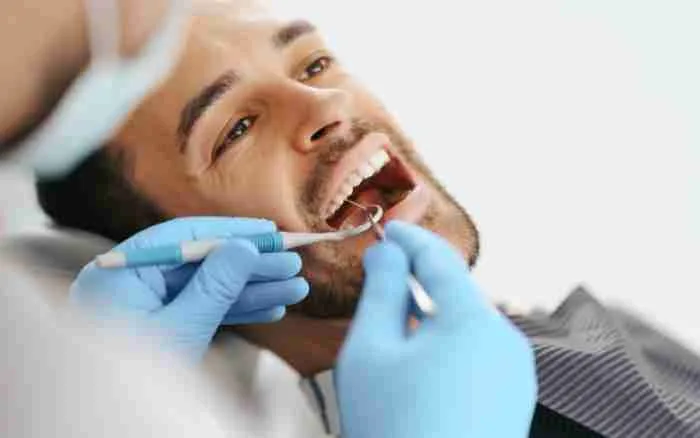
When sudden dental problems interrupt your routine, getting the right care matters. An emergency dentist specializes in treating urgent concerns to help you avoid complications and start healing. Here’s more information on how to handle dental emergencies:
Understanding Dental Emergencies
Some dental problems require immediate attention, and you should seek same-day dental care if you experience them. Here are some common dental emergencies:
- Knocked-Out Tooth: An avulsed tooth is a significant dental emergency that requires immediate attention.
- Cracked or Broken Tooth: A fracture can expose the inner layers of the tooth, leading to pain and potential infection.
- Severe Toothache: Persistent, severe pain could signal an infection or abscess that requires urgent treatment.
- Abscess: A dental abscess is a pocket of pus caused by a bacterial infection and can be life-threatening if left untreated.
- Facial Swelling: Swelling in the face, gums, or jaw can indicate a serious infection that needs prompt medical care.
- Bleeding Gums: While minor bleeding can be common, uncontrolled bleeding after an injury is an emergency.
You should contact an emergency dentist if you experience any of these issues for necessary emergency dental care.
Preparing Before the Visit
While waiting for your appointment, there are steps you can take to manage the situation and alleviate discomfort. For a knocked-out tooth, handle it by the crown and rinse it gently, without scrubbing. Then try to reinsert it into the socket. If reinsertion is not possible, keep the tooth moist in a container of milk or saliva.
If you have a cracked tooth, rinse your mouth with warm water and apply a cold compress to your cheek to reduce swelling. Over-the-counter pain medication can also help manage pain from a toothache or a broken tooth. These temporary measures protect your tooth and manage symptoms until you receive professional care.
Treating Urgent Dental Issues
An emergency dentist is equipped to handle a variety of urgent dental issues with specialized treatments. Their primary goal is to alleviate your pain and address the underlying problem to prevent further complications. Here are ways emergency dental specialists can help:



- Knocked-Out Tooth: A dentist may be able to reimplant the tooth if you get to the office quickly.
- Cracked or Broken Tooth: Treatment can range from dental bonding for a small chip to a crown for a significant fracture.
- Toothache or Abscess: An emergency dentist will diagnose the cause of the pain, which may require a root canal to treat an infection.
These treatments aim to save your natural tooth whenever possible and restore your oral health.
Preventing Future Emergencies
Preventing dental emergencies is key to maintaining long-term oral health. Regular dental check-ups and cleanings allow your dentist to identify and address potential problems before they become urgent. You should also wear a mouthguard during sports or recreational activities to protect your teeth from injury. Avoid chewing on hard objects such as ice, popcorn kernels, or hard candies, to prevent cracked or broken teeth. Good oral hygiene, including daily brushing and flossing, is fundamental for keeping your teeth and gums healthy and reducing your risk of infections.
See an Emergency Dentist Today
Maintaining good oral health requires regular dental check-ups, the use of protective gear during high-risk activities, and avoiding habits that can damage your teeth. Taking the right steps during emergencies helps to prevent complications. If you are experiencing a dental issue or suspect an injury, contact an emergency dentist near you right away to schedule your visit.