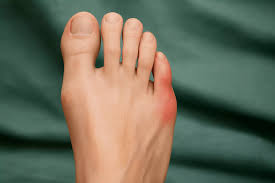
Proper footwear can play a meaningful role in reducing discomfort and slowing symptom progression for individuals living with bunions. Tight, narrow, or high-heeled shoes increase pressure on the forefoot and irritate the joint, making supportive footwear fundamental for daily comfort and preserving mobility. Here’s a closer look at the role of footwear in managing bunions:
Exploring Shoe Effects on Bunions
The shoes you choose to wear every day apply forces to your feet that can either relieve pain or increase inflammation. When a shoe is too narrow or tight, it compresses the toes, forcing the big toe further out of alignment. The constant pressure on bunions leads to friction against the side of the shoe, which often results in redness, swelling, and increased sensitivity. A shoe that lacks proper structure fails to support the arch, which can cause the foot to flatten and increase strain on the toe joint.
Choosing Bunion-Friendly Shoes
Identifying the right footwear requires examining specific components of the shoe that accommodate the unique shape of foot bunions. The following features are fundamental when selecting shoes to minimize discomfort and prevent further joint irritation:
- Wide Toe Box: A wide toe box provides ample room for the toes to spread naturally without being constricted.
- Soft, Flexible Materials: Shoes made from soft leather, suede, or stretchy mesh fabrics mold to the shape of the foot.
- Arch Support: Proper arch support distributes weight evenly across the foot and prevents overpronation, or the inward rolling of the foot.
- Low Heel Height: Low heel height prevents excessive weight from shifting to the toes and reduces the strain on bunions.
- Seamless Interiors: Shoes with minimal stitching or seams near the big toe joint prevent irritation.
A shoe that incorporates these design elements can support foot mechanics and reduce the external forces that aggravate bunions.



Using Add-Ons
Various accessories and devices are available to enhance the fit of your current footwear and provide targeted protection for bunions. These add-ons are helpful tools that work alongside your shoes to manage pressure and improve alignment. Here are some of them:
- Bunion Pads: These small, cushioned pads create a protective barrier that absorbs friction and prevents the shoe from rubbing directly against the sensitive joint.
- Toe Separators: These devices gently push the big toe away from the others to improve alignment and reduce crowding inside the shoe.
- Orthotic Inserts: Custom or over-the-counter shoe inserts help distribute pressure away from the big toe joint and stabilize the foot during movement.
- Shoe Stretchers: A shoe stretcher can create extra space around the bunion, relieving tightness without altering the shoe size.
Using these accessories allows you to customize the fit and function of your footwear.



Seeking Professional Help
Adjusting your footwear and using supportive add-ons are the first lines of defense. These do not reverse the structural deformity of a bunion. If changing shoes does not reduce discomfort or if bunions continue to grow, it is time to evaluate other options. A podiatrist can evaluate the severity of bunions through physical examination and X-ray imaging. They assess the angle of the bone and the health of the joint to determine the optimal course of action. The specialist may recommend advanced custom orthotics, physical therapy exercises, or different medical interventions.
Book Your Bunions Appointment Today
Footwear plays a primary role in the management of bunions by influencing the amount of pressure and friction applied to the joint. Choosing shoes with a wide toe box, soft materials, and proper support helps mitigate pain and slows the aggravation of the condition. Using add-ons like pads and orthotics can further enhance comfort and protect the foot from daily strain. Contact a qualified podiatrist near you to book your appointment for bunions today.