Understanding the relationship between basal cell carcinoma and skin cancer can help you make informed decisions about your treatment and care. Basal cell carcinoma is the most common form of skin cancer, and recognizing this connection allows you to seek appropriate medical attention. A skin cancer specialist provides the expertise needed to diagnose and treat this condition effectively.
What Is Skin Cancer?
Skin cancer occurs when abnormal cells in the skin grow uncontrollably. It develops most frequently in areas exposed to the sun, such as the face, neck, and arms. There are several types of skin cancer, each with distinct characteristics and treatment approaches, and a skin cancer specialist can identify the specific type and recommend the most suitable treatment plan.
The three main types of skin cancer are basal cell carcinoma, squamous cell carcinoma, and melanoma. Basal cell carcinoma accounts for the majority of skin cancer cases, so it is the most prevalent form. Early detection and treatment can prevent the cancer from spreading to other parts of the body.
What Is Basal Cell Carcinoma?
Basal cell carcinoma develops in the basal cells, which are located in the deepest layer of the epidermis. These cells produce new skin cells as old ones die off. Basal cells become damaged due to prolonged sun exposure or ultraviolet (UV) radiation, and they may begin to grow abnormally, forming cancerous lesions.
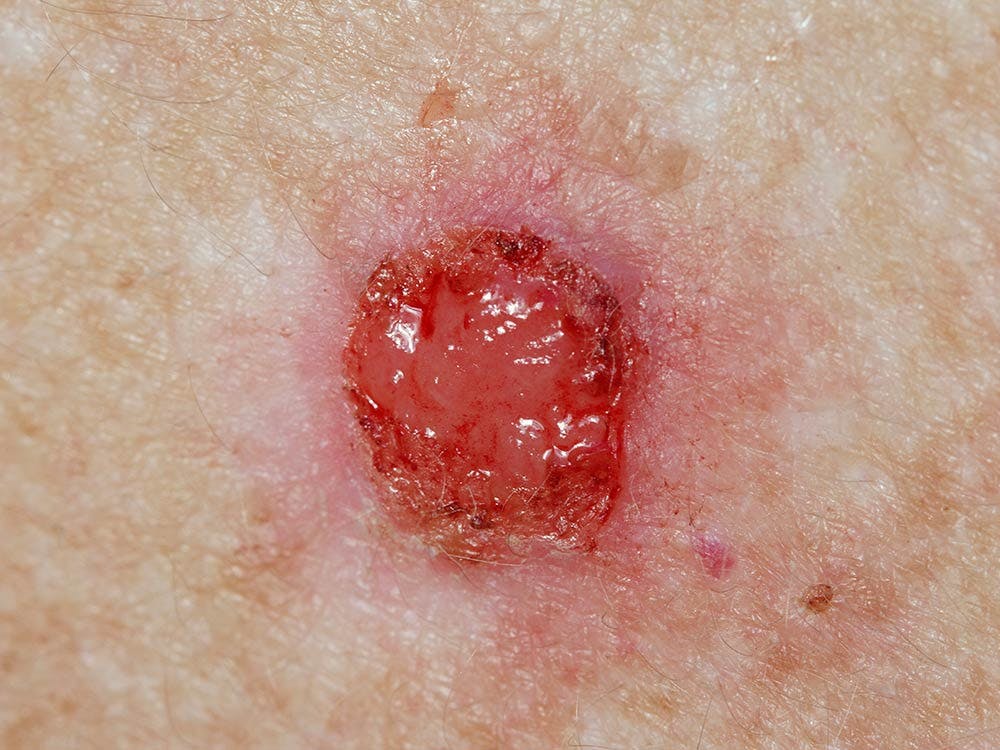
Basal cell carcinoma typically appears as a small, shiny bump or a flat, scaly patch on the skin. It grows slowly and rarely spreads to other parts of the body, but if left untreated, it can cause significant damage to surrounding tissue. The lesions may bleed, crust over, or develop into open sores that do not heal.
How Are They Linked?
Basal cell carcinoma is a specific type of skin cancer, which means the two are directly related. All basal cell carcinomas are classified as skin cancers, but not all skin cancers are basal cell carcinomas. This distinction is beneficial when discussing diagnosis and treatment options with your healthcare provider.



What Is a Skin Cancer Specialist?
A skin cancer specialist is a medical professional with advanced training in diagnosing and treating various forms of skin cancer; they identify cancerous lesions and determine the most appropriate treatment strategies. They use specialized diagnostic tools to assess the extent of the cancer and its potential impact on surrounding tissue. Consulting a specialist can lead to more accurate diagnoses and better treatment outcomes.
How Can They Help?
A skin cancer specialist can perform a thorough examination of your skin to identify any suspicious lesions or abnormalities. They may conduct a biopsy, which involves removing a small sample of tissue for laboratory analysis. This procedure confirms whether the lesion is cancerous, and it determines the specific type of skin cancer present.
Once a diagnosis is confirmed, the specialist will develop a personalized treatment plan based on the size, location, and stage of the basal cell carcinoma. Treatment options may include surgical removal, cryotherapy (freezing the cancer cells), topical medications, or chemical peels. Follow-up care is another aspect of the specialist’s role in managing basal cell carcinoma, as regular monitoring helps detect any recurrence or the development of new lesions.
Learn More About Skin Cancer
Understanding the link between basal cell carcinoma and skin cancer allows you to proactively manage your health. Early detection and treatment may improve outcomes and reduce the risk of complications. Consult a specialist today and learn more about preventing and managing skin cancer.