







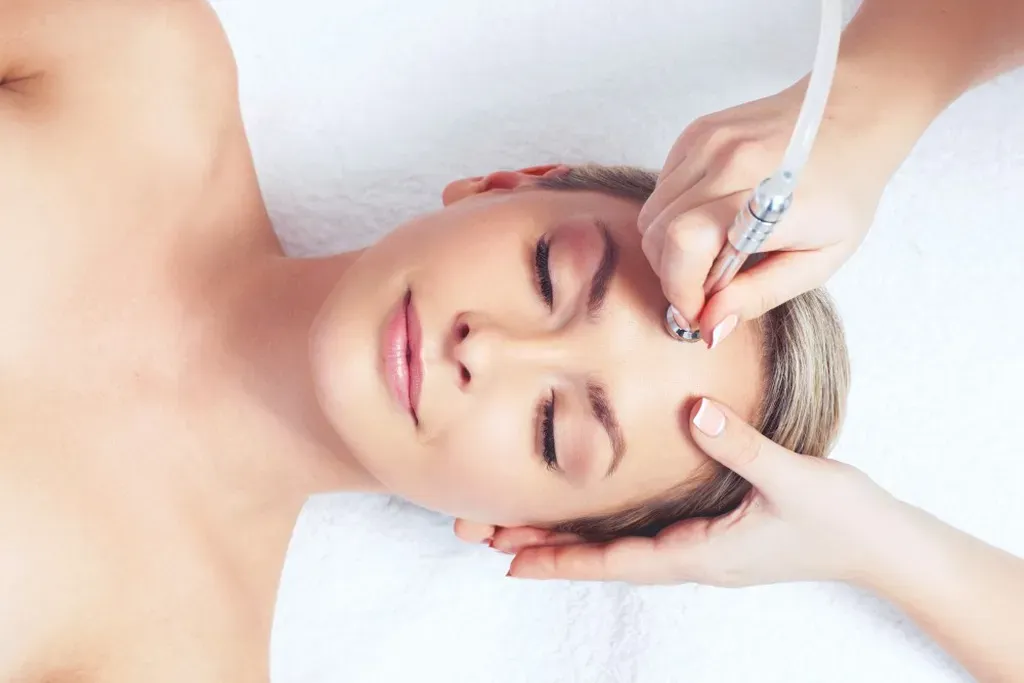
Microneedling is a straightforward cosmetic procedure, and it addresses a range of skin surface concerns. During each session, a trained specialist uses a device with tiny, sterile needles to stamp or glide over the chosen area. This process is controlled and precise, and the sensation feels like a light prickling. Here is more information on how microneedlings work and what this method can do for you:
Creating Micro-wounds
The microneedling process begins when the specialized device gently presses against your skin. Each contact makes hundreds of tiny punctures, and they are called micro-wounds. As simple as they may seem, these micro-wounds act as immediate signals for the body to start its healing response. You will find that the procedure is designed to target three main skin layers:
- The outer epidermis
- The deeper dermis
- The connective tissues
While each wound is superficial and well-controlled, the act of intentionally creating them is what sets microneedlings apart from other procedures. The skin senses these micro-damages as a call to action, sending your body into repair mode. This repair, which happens at a cellular level, is the first step in the process.
Triggering a Healing Cascade
Once the skin receives the micro-wounds, your body immediately recognizes the need for healing. Blood flow increases to the area, and various repair cells rush to the puncture sites. When platelets arrive, they release growth factors that begin to drive the tissue repair process.
Your immune system works to clean up any debris at the injury sites. Soon after, new blood vessels start to form, improving oxygen and nutrient delivery. Because of these changes, the tissue in the targeted area starts to rebuild from the inside out.
As repair continues, the area experiences a noticeable shift. There may be a sense of tightness or mild sensitivity as the cells activate. Each time this process unfolds, your skin becomes more resilient in response to the micro-wounds. The healing cascade is central to how microneedling supports skin renewal, and it works in sync with your body’s natural cycles.


Boosting Collagen and Elastin
One main result of this healing cascade is an increase in collagen production. Collagen is a structural protein that plays a key role in the firmness and support of your skin. When activated, fibroblast cells migrate to the healing site, and they begin to produce new collagen fibers. The buildup of these fibers results in a groundwork that helps support and reinforce the tissue.
Along with collagen, elastin production also receives a boost from the microneedling procedure. Elastin is a protein that allows the skin to retain shape after stretching or moving. The newfound collagen and elastin gradually integrate with the existing skin structure, and this leads to ongoing improvements in tissue strength.
Improving Your Skin
The influence of microneedling on the skin surface goes beyond initial wound healing. As collagen and elastin increase, the surface may become smoother, and irregularities such as marks or scars may start to look less noticeable. You’ll typically observe that the skin texture feels more even, and the foundation built by these proteins continues to provide subtle, ongoing renewal.
A few outcomes people notice include:



- Smoother texture
- More even appearance
- Gradual changes in visible marks
Schedule Microneedlings Near You
Gaining insight into the mechanics of microneedling helps you make an informed decision. If you’re interested in learning more or want to explore whether treatment is right for you, reach out to an aesthetics clinic to schedule a consultation. A team of professionals can guide you with personalized support as you take steps toward your skincare goals.




