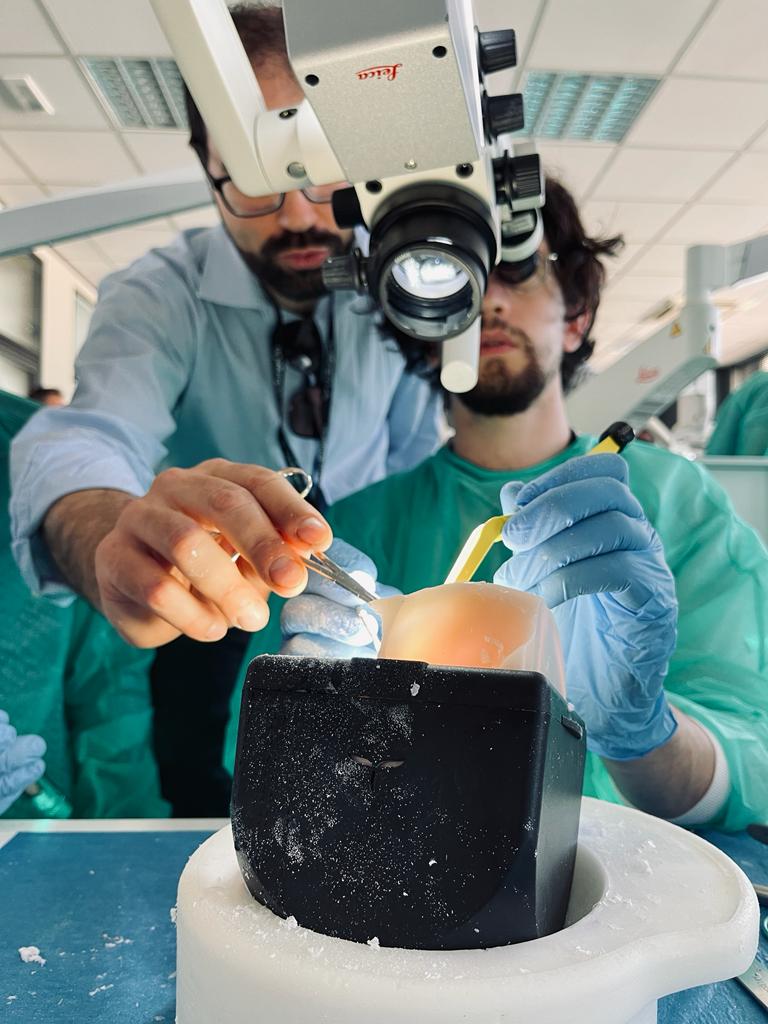
An orthopedic spine surgeon specializes in the diagnosis and surgical treatment of conditions affecting the spine. These highly trained specialists address a wide range of issues, from degenerative diseases to spinal deformities and injuries. They complete extensive education and training to manage complex disorders of the bones, joints, muscles, ligaments, and nerves that make up the spinal column. Here’s information on spinal surgery and its benefits:
What Is Robotic Spine Surgery?
Robotic spine surgery is a computer-assisted surgery that integrates advanced navigation and robotic guidance systems into the operating room. This technology aids the surgeon by providing detailed three-dimensional imaging and precise mechanical assistance during a procedure. The orthopedic spine surgeon remains in complete control throughout the operation, using the robotic system to enhance their ability to plan and execute the surgical plan with a high degree of accuracy.
Minimally Invasive Techniques
Minimally invasive surgery involves performing operations through small incisions, as this technique is designed to have less impact on the body during surgery. Surgeons use specialized instruments to access the spine, and this approach aims to reduce disruption to the surrounding muscles and soft tissues. The smaller openings of minimally invasive techniques commonly help patients have faster recovery times, compared to traditional open surgery.
Robotic Components
A robotic surgical system typically consists of several key parts and provides real-time feedback, but it does not perform any actions independently. The computer’s console gives the surgeon a high-definition, 3D view of the surgical site. The surgeon plans the procedure on a computer using pre-operative images like CT scans, and the robotic arm then moves to the planned position to guide the surgeon’s instruments.



What Are Some Surgery Types?
Spinal surgery may be recommended for a variety of conditions, especially when non-surgical treatments have not provided sufficient results. The specific type of surgery depends on the patient’s diagnosis, anatomy, and overall health profile. A surgeon evaluates each case to determine if surgical intervention is an appropriate option.
Spinal decompression surgeries are procedures aimed at relieving pressure on the spinal cord or nerve roots caused by conditions like herniated discs, spinal stenosis, or bone overgrowths. This is accomplished by removing or reshaping parts of the bone, disc, or other tissues that are compressing the nerves. Some common decompression techniques include laminectomy, discectomy, and foraminotomy. These procedures can alleviate pain, improve mobility, and restore functionality for patients experiencing nerve-related symptoms.



Spinal fusion is a surgical technique used to stabilize and strengthen the spine by permanently joining two or more vertebrae. This is often performed to treat conditions like degenerative disc disease, spinal instability, or fractures. During the procedure, the surgeon uses bone grafts or artificial materials to promote fusion of the targeted vertebrae over time. While spinal fusion limits movement between the fused vertebrae, it can significantly reduce pain and improve spinal stability.
What Are the Benefits?
The combination of minimally invasive techniques and robotic guidance is associated with several potential procedural advantages. The use of smaller incisions can lead to reduced disruption of muscles and other soft tissues. Patients may experience less blood loss during the procedure and potentially have smaller, less noticeable scars. Some other benefits include:
- Shorter Hospital Stays
- Lower Infection Risks
- Less Recovery Pain
From a technical standpoint, robotic systems allow for precise planning and instrumentation placement based on detailed imaging, and this can contribute to procedural consistency. The technology offers enhanced visualization and helps standardize the surgical workflow. These elements are designed to support the surgeon in executing the procedure with control and accuracy.
Contact an Orthopedic Spine Surgeon
If you are experiencing persistent spinal pain, contact an orthopedic spine specialist for a thorough evaluation. A specialist can provide a diagnosis and discuss all available treatment options, including non-surgical and surgical paths. The surgeon can also outline the expected recovery process based on the specific intervention. To learn more about your spinal health, make an appointment today.